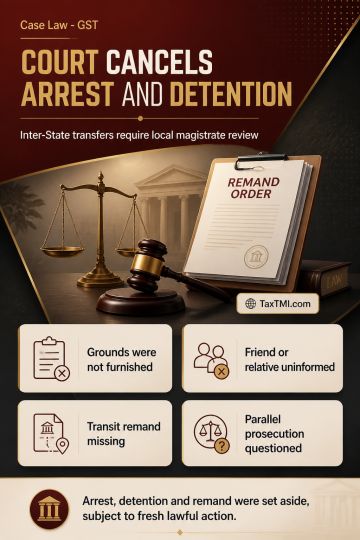
Arrest safeguards and transit remand requirements invalidated detention following inter-State transfer without communicated grounds or magistrate auth...
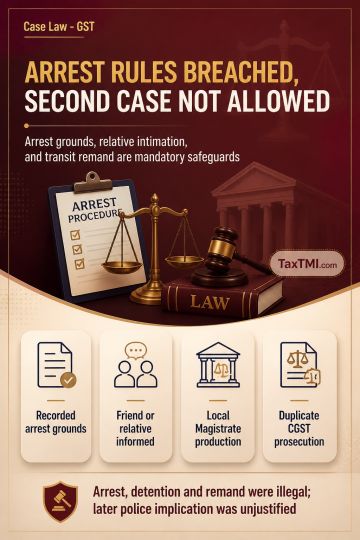
Arrest safeguards require disclosed grounds, relative intimation and transit remand, while duplicate prosecution under the CGST framework is unsustain...
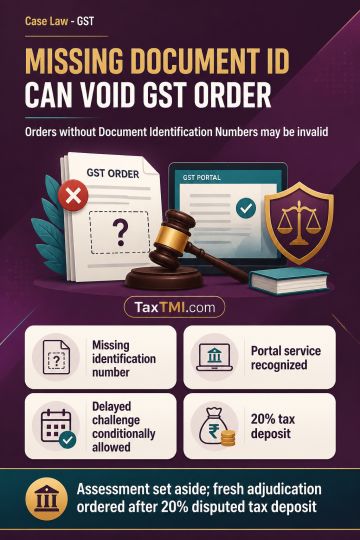
Document Identification Number defects can invalidate GST assessments, with delayed challenges entertained conditionally where patent irregularities e...
Windmill commissioning evidence supported higher depreciation where grid connection and electricity generation proved operational use before the relev...
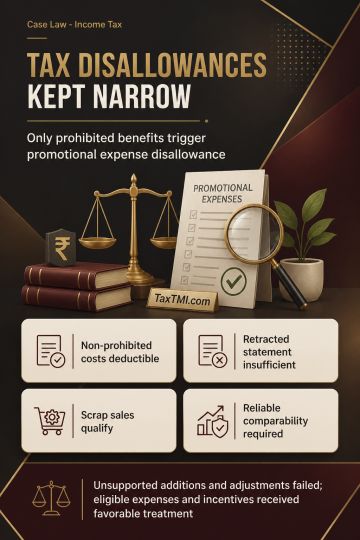
Pharmaceutical promotion and transfer-pricing comparability principles limited disallowances, while uncorroborated search allegations and unsupported ...
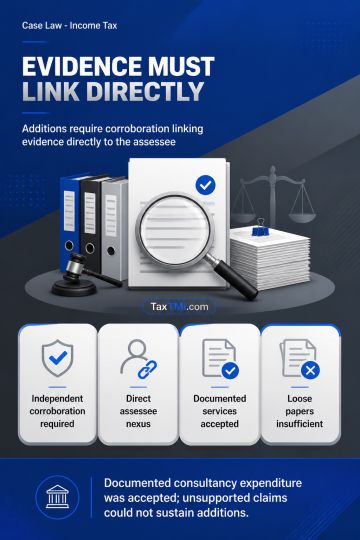
Business expenditure substantiation supports scrap credits, statutory payments and expense claims, while depreciation requires proof of actual busines...
Convertible debentures were held to be entirely equity in nature, since the contractual terms and accounting treatment showed no unilateral obligation to deliver cash and the stray note describing a compound financial instrument could not override substance. Accordingly, no transition amount arose under section 115JB(2C), and the deletion of the MAT adjustment was upheld. The Tribunal also held that the year of convergence governed the character of the instrument for later years, so the earlier coordinate bench ruling in the assessee's own case had to be followed on judicial discipline. For section 14A, the Assessing Officer failed to record the required dissatisfaction with the assessee's suo motu disallowance, making Rule 8D invocation unsustainable; the deletion was upheld.
Convertible debentures were held to be entirely equity in nature, since the contractual terms and accounting treatment showed no unilateral obligation to deliver cash and the stray note describing a compound financial instrument could not override substance. Accordingly, no transition amount arose under section 115JB(2C), and the deletion of the MAT adjustment was upheld. The Tribunal also held that the year of convergence governed the character of the instrument for later years, so the earlier coordinate bench ruling in the assessee's own case had to be followed on judicial discipline. For section 14A, the Assessing Officer failed to record the required dissatisfaction with the assessee's suo motu disallowance, making Rule 8D invocation unsustainable; the deletion was upheld.
Note: It is a system-generated summary and is for quick reference only.
 TaxTMI
  TaxTMI
 of 4809














 Join Channel


