Clean slate principle extinguishes uncrystallised operational claims and bars continuation of pending recovery and arbitral proceedings after plan app...
Works contract classification governs composite layout-development contracts where VAT-paid goods are transferred alongside construction and infrastru...
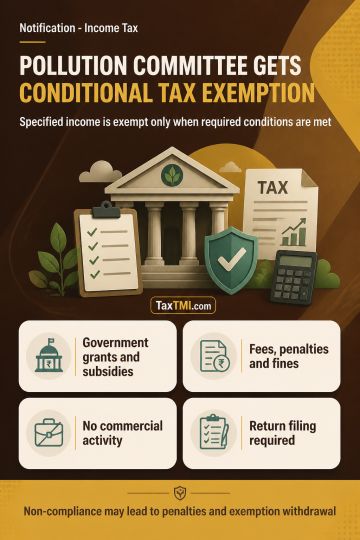
Specified income tax exemption for pollution control body remains conditional on non-commercial activity, unchanged income character, and return filin...
Jurisdictional facts in certificate-of-origin discrepancies can support customs show-cause proceedings, leaving factual explanations for departmental ...
Section 206AA read with Rule 114AAA(3) applied where the seller's PAN was inoperative on the date of property purchase because it was not linked with Aadhaar, so higher TDS was prima facie attracted. However, the Tribunal held that the buyer should not bear higher TDS if evidence shows the seller disclosed the transaction in her return and paid due taxes, following the principle underlying section 40(a)(ia) and section 201(1). The demand was therefore not finally sustained and the matter was remitted for de novo verification of the seller's tax disclosure and payment.
Section 206AA read with Rule 114AAA(3) applied where the seller's PAN was inoperative on the date of property purchase because it was not linked with Aadhaar, so higher TDS was prima facie attracted. However, the Tribunal held that the buyer should not bear higher TDS if evidence shows the seller disclosed the transaction in her return and paid due taxes, following the principle underlying section 40(a)(ia) and section 201(1). The demand was therefore not finally sustained and the matter was remitted for de novo verification of the seller's tax disclosure and payment.
Note: It is a system-generated summary and is for quick reference only.
 TaxTMI
 of 4807

















 Join Channel


 TaxTMI