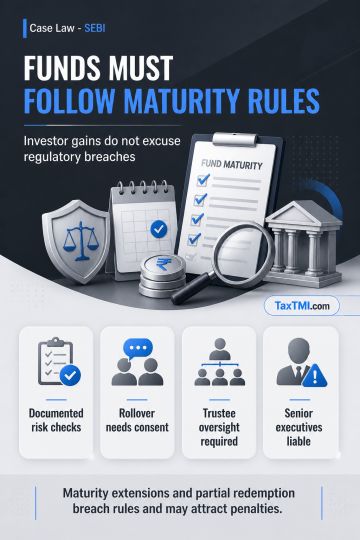
Mutual fund maturity rules require proper rollover, redemption, disclosure, and due diligence; investor gains cannot excuse regulatory breaches or pen...
Threshold exemption excludes exempt services, while stamp-paper purchases avoid reverse charge; consequential service tax penalties were also set asid...
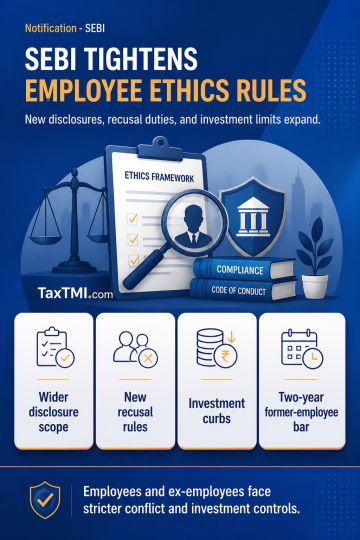
Employee conflict disclosures and investment restrictions expand with new recusal duties, post-employment limits, and compliance reporting requirement...
At the Section 26 prima facie stage, the Commission may close an information where the informant does not place complete and substantiating material. The Tribunal noted that general assertions on unilateral pricing, unfair tender terms, discounts, losses, price distortion and market harm were unsupported by actual data on cost sheets, margins, losses, market exit, price effects or share erosion, so the allegations did not cross the evidentiary threshold for investigation. It also accepted that, in a regulated alcohol market, pricing was linked to taxes, levies and State policy, and that alleged preferential treatment in tendering was not shown by comparative market data to have distorted competition. The closure under Section 26(2) was upheld.
At the Section 26 prima facie stage, the Commission may close an information where the informant does not place complete and substantiating material. The Tribunal noted that general assertions on unilateral pricing, unfair tender terms, discounts, losses, price distortion and market harm were unsupported by actual data on cost sheets, margins, losses, market exit, price effects or share erosion, so the allegations did not cross the evidentiary threshold for investigation. It also accepted that, in a regulated alcohol market, pricing was linked to taxes, levies and State policy, and that alleged preferential treatment in tendering was not shown by comparative market data to have distorted competition. The closure under Section 26(2) was upheld.
Note: It is a system-generated summary and is for quick reference only.
 TaxTMI
 of 4805









 Join Channel


 TaxTMI