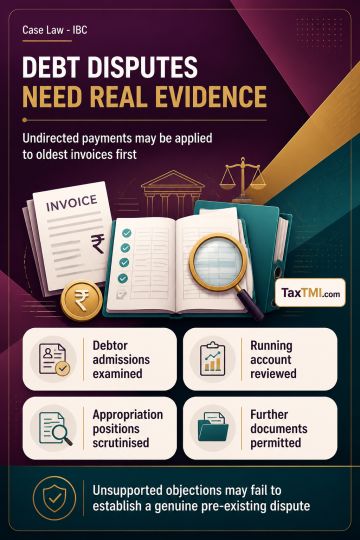
Pre-existing operational debt disputes require genuine evidence, while undirected running-account payments may be appropriated on a first-in-first-out...
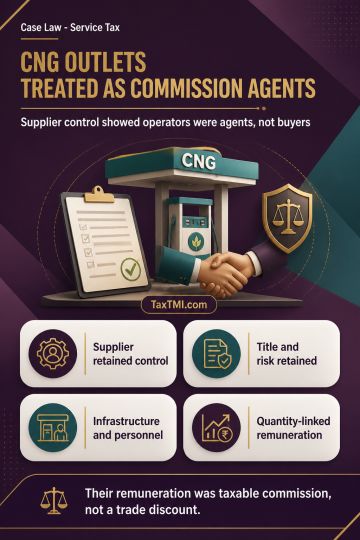
Agency in CNG distribution makes outlet operators commission agents, rendering taxable Business Auxiliary Service rather than purchasing goods for res...
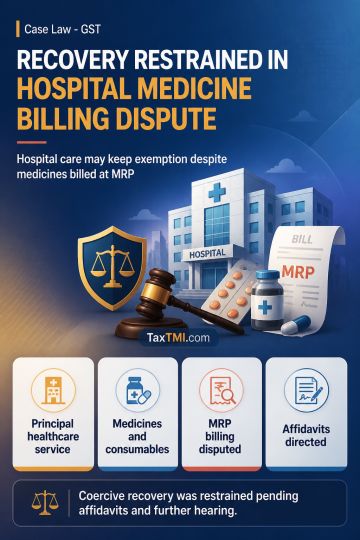
Composite inpatient healthcare supply may retain exemption despite MRP medicine billing, while separate taxable sale characterisation remains disputed...
At the Section 26 prima facie stage, the Commission may close an information where the informant does not place complete and substantiating material. The Tribunal noted that general assertions on unilateral pricing, unfair tender terms, discounts, losses, price distortion and market harm were unsupported by actual data on cost sheets, margins, losses, market exit, price effects or share erosion, so the allegations did not cross the evidentiary threshold for investigation. It also accepted that, in a regulated alcohol market, pricing was linked to taxes, levies and State policy, and that alleged preferential treatment in tendering was not shown by comparative market data to have distorted competition. The closure under Section 26(2) was upheld.
At the Section 26 prima facie stage, the Commission may close an information where the informant does not place complete and substantiating material. The Tribunal noted that general assertions on unilateral pricing, unfair tender terms, discounts, losses, price distortion and market harm were unsupported by actual data on cost sheets, margins, losses, market exit, price effects or share erosion, so the allegations did not cross the evidentiary threshold for investigation. It also accepted that, in a regulated alcohol market, pricing was linked to taxes, levies and State policy, and that alleged preferential treatment in tendering was not shown by comparative market data to have distorted competition. The closure under Section 26(2) was upheld.
Note: It is a system-generated summary and is for quick reference only.
 TaxTMI
  TaxTMI
 of 4807




 Join Channel


