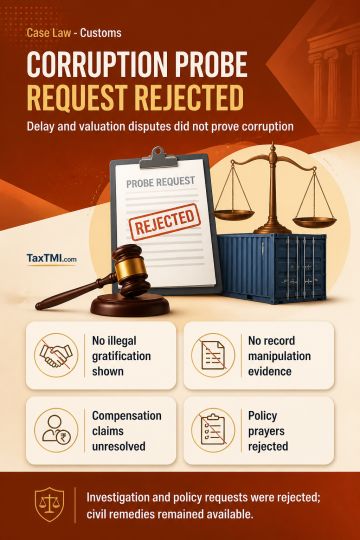
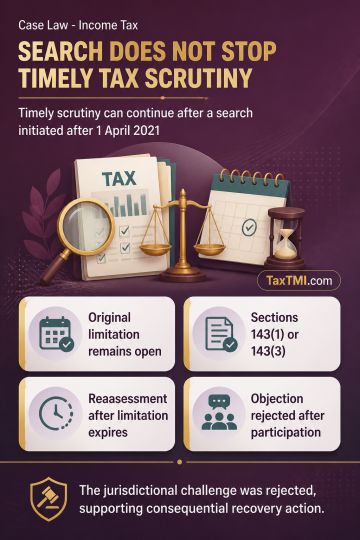
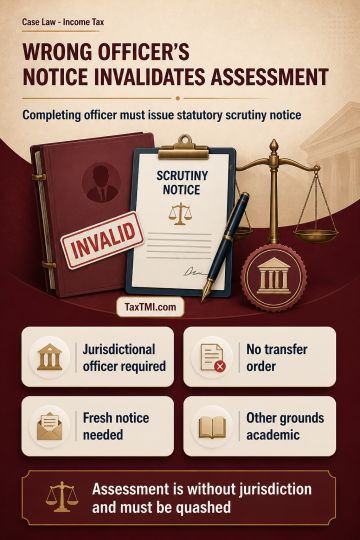
Post-search scrutiny assessment remains available where original assessment limitation is unexpired, permitting timely completion under regular assess...
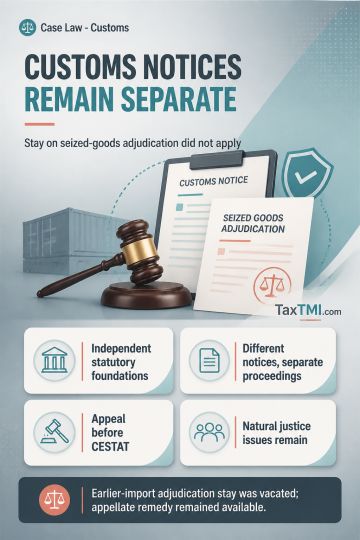
Independent show-cause notices remain separate proceedings, while customs adjudication challenges should ordinarily follow the statutory appellate rem...
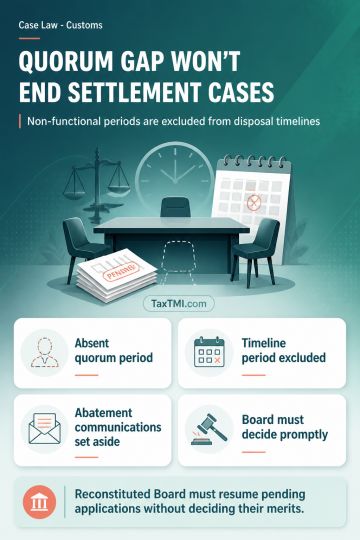
Institutional incapacity in customs settlement proceedings excludes non-functional quorum periods from statutory disposal timelines, preventing automa...
At the Section 26 prima facie stage, the Commission may close an information where the informant does not place complete and substantiating material. The Tribunal noted that general assertions on unilateral pricing, unfair tender terms, discounts, losses, price distortion and market harm were unsupported by actual data on cost sheets, margins, losses, market exit, price effects or share erosion, so the allegations did not cross the evidentiary threshold for investigation. It also accepted that, in a regulated alcohol market, pricing was linked to taxes, levies and State policy, and that alleged preferential treatment in tendering was not shown by comparative market data to have distorted competition. The closure under Section 26(2) was upheld.
At the Section 26 prima facie stage, the Commission may close an information where the informant does not place complete and substantiating material. The Tribunal noted that general assertions on unilateral pricing, unfair tender terms, discounts, losses, price distortion and market harm were unsupported by actual data on cost sheets, margins, losses, market exit, price effects or share erosion, so the allegations did not cross the evidentiary threshold for investigation. It also accepted that, in a regulated alcohol market, pricing was linked to taxes, levies and State policy, and that alleged preferential treatment in tendering was not shown by comparative market data to have distorted competition. The closure under Section 26(2) was upheld.
Note: It is a system-generated summary and is for quick reference only.
 TaxTMI
  TaxTMI
 of 4811



 Join Channel