Charitable registration renewal cannot become an assessment of receipts, profitability or annual exemption compliance, requiring renewal and donation ...
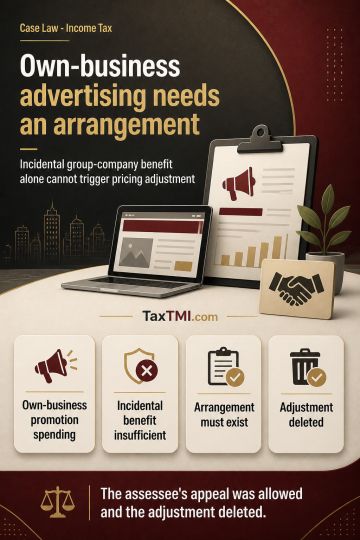
AMP expenditure for own business is not an international transaction without an associated-enterprise arrangement, eliminating transfer pricing adjust...
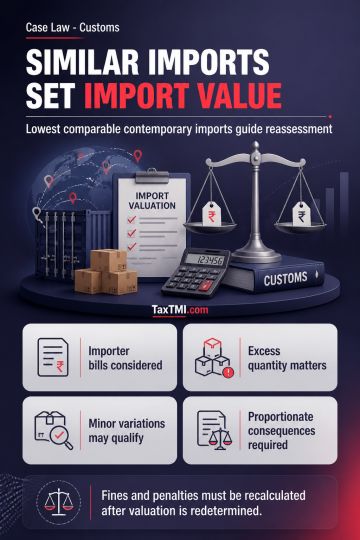
Customs valuation must use comparable contemporary imports, while confiscation fines and penalties require proportionate recalculation on reassessed v...
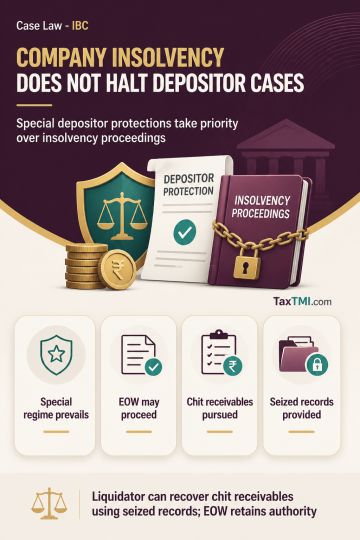
Depositor-protection proceedings prevail over corporate insolvency, while liquidators may recover chit receivables using copies of seized company reco...
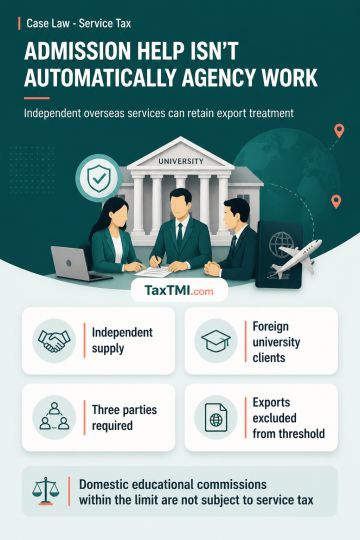
Intermediary service classification fails where overseas admission facilitation is supplied independently, preserving export treatment and small-provi...
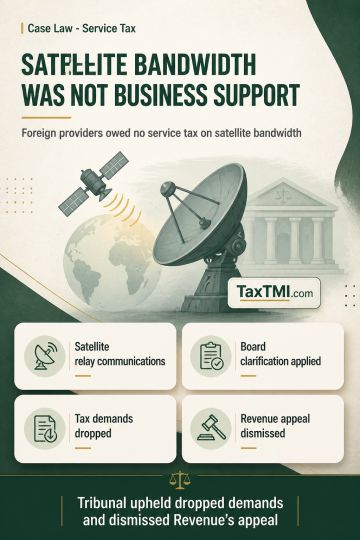
Satellite transponder bandwidth is telecommunication, not Business Support Service; foreign non-telegraph providers triggered no service tax liability...
At the Section 26 prima facie stage, the Commission may close an information where the informant does not place complete and substantiating material. The Tribunal noted that general assertions on unilateral pricing, unfair tender terms, discounts, losses, price distortion and market harm were unsupported by actual data on cost sheets, margins, losses, market exit, price effects or share erosion, so the allegations did not cross the evidentiary threshold for investigation. It also accepted that, in a regulated alcohol market, pricing was linked to taxes, levies and State policy, and that alleged preferential treatment in tendering was not shown by comparative market data to have distorted competition. The closure under Section 26(2) was upheld.
At the Section 26 prima facie stage, the Commission may close an information where the informant does not place complete and substantiating material. The Tribunal noted that general assertions on unilateral pricing, unfair tender terms, discounts, losses, price distortion and market harm were unsupported by actual data on cost sheets, margins, losses, market exit, price effects or share erosion, so the allegations did not cross the evidentiary threshold for investigation. It also accepted that, in a regulated alcohol market, pricing was linked to taxes, levies and State policy, and that alleged preferential treatment in tendering was not shown by comparative market data to have distorted competition. The closure under Section 26(2) was upheld.
Note: It is a system-generated summary and is for quick reference only.
 TaxTMI
  TaxTMI
 of 4814







 Join Channel


