Mutual fund maturity rules require proper rollover, redemption, disclosure, and due diligence; investor gains cannot excuse regulatory breaches or pen...
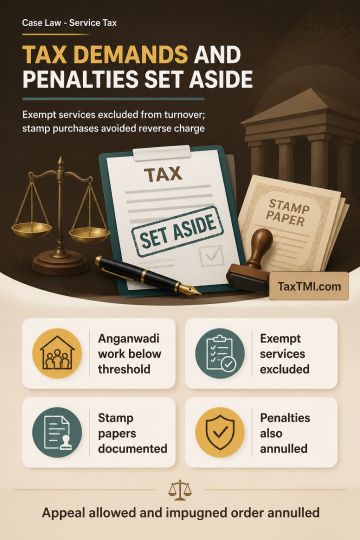
Threshold exemption excludes exempt services, while stamp-paper purchases avoid reverse charge; consequential service tax penalties were also set asid...
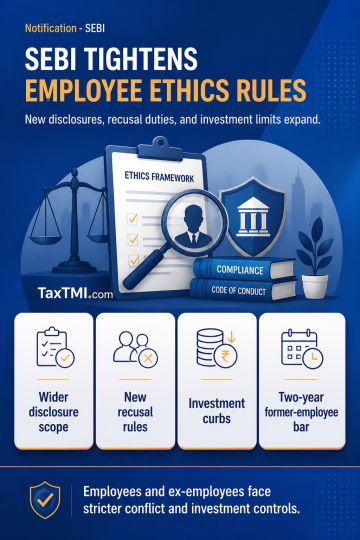
Employee conflict disclosures and investment restrictions expand with new recusal duties, post-employment limits, and compliance reporting requirement...
During CIRP, moratorium protection under the Insolvency Code preserves the corporate debtor's possession and status quo, preventing lease termination, re-entry and eviction that would recover property from the debtor. The High Court construed Section 14 broadly to cover statutory eviction proceedings as well as civil suits, and treated the explanation to Section 14(1) as clarificatory rather than an exception permitting breach-based action. It further held that any inconsistency between the Public Premises Act and the insolvency regime was resolved by Section 238 in favour of the Code. On that basis, the lease termination and eviction orders were quashed and the appeal was dismissed.
During CIRP, moratorium protection under the Insolvency Code preserves the corporate debtor's possession and status quo, preventing lease termination, re-entry and eviction that would recover property from the debtor. The High Court construed Section 14 broadly to cover statutory eviction proceedings as well as civil suits, and treated the explanation to Section 14(1) as clarificatory rather than an exception permitting breach-based action. It further held that any inconsistency between the Public Premises Act and the insolvency regime was resolved by Section 238 in favour of the Code. On that basis, the lease termination and eviction orders were quashed and the appeal was dismissed.
Note: It is a system-generated summary and is for quick reference only.
 TaxTMI
 of 4805










 Join Channel


 TaxTMI