Specialized Investment Fund distribution now requires dedicated certification, while transitional recognition preserves existing qualified distributor...
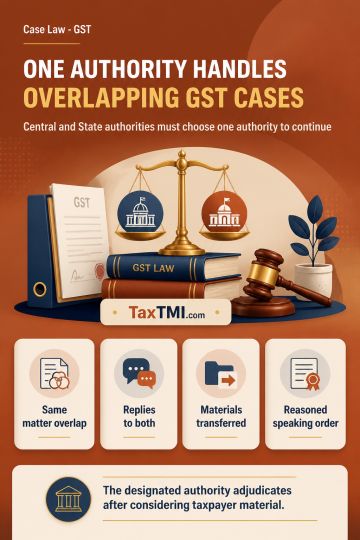
Overlapping GST proceedings require Central and State authorities to designate one competent authority for coordinated adjudication of the same matter...
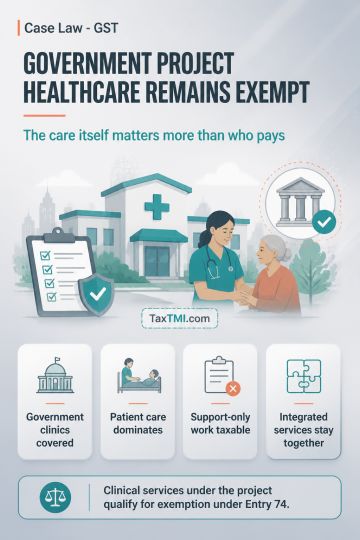
Composite healthcare supplies retain exemption when patient care is the contract's essential character, despite payment through an implementing agency...
During CIRP, moratorium protection under the Insolvency Code preserves the corporate debtor's possession and status quo, preventing lease termination, re-entry and eviction that would recover property from the debtor. The High Court construed Section 14 broadly to cover statutory eviction proceedings as well as civil suits, and treated the explanation to Section 14(1) as clarificatory rather than an exception permitting breach-based action. It further held that any inconsistency between the Public Premises Act and the insolvency regime was resolved by Section 238 in favour of the Code. On that basis, the lease termination and eviction orders were quashed and the appeal was dismissed.
During CIRP, moratorium protection under the Insolvency Code preserves the corporate debtor's possession and status quo, preventing lease termination, re-entry and eviction that would recover property from the debtor. The High Court construed Section 14 broadly to cover statutory eviction proceedings as well as civil suits, and treated the explanation to Section 14(1) as clarificatory rather than an exception permitting breach-based action. It further held that any inconsistency between the Public Premises Act and the insolvency regime was resolved by Section 238 in favour of the Code. On that basis, the lease termination and eviction orders were quashed and the appeal was dismissed.
Note: It is a system-generated summary and is for quick reference only.
 TaxTMI
  TaxTMI
 of 4807








 Join Channel