Retention of seized property survives where recorded reasons support proceeds of crime, while stayed investigation periods are excluded from limitatio...
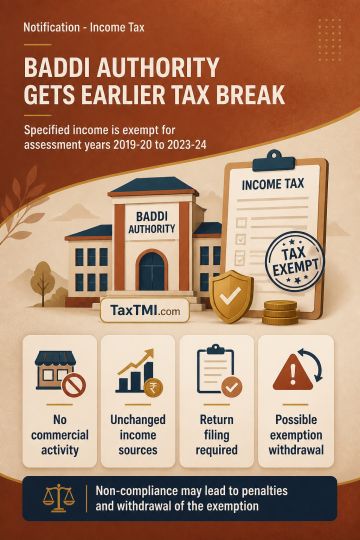
Specified income of Baddi Barotiwala Nalagarh Development Authority receives conditional tax exemption, retrospectively covering its designated assess...
Specified development authority income receives retrospective tax exemption, subject to non-commercial activity, unchanged income sources, and return-...
Unified Brand India framework introduces voluntary Trust Mark certification and funding support for export branding, packaging and global promotional ...
Origin Declaration authentication governs preferential tariff claims under India-UK CETA, requiring a validated reference number before import clearan...
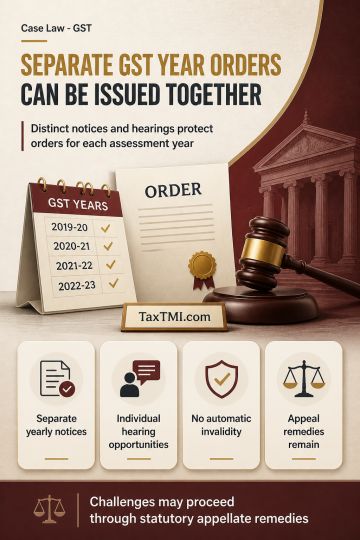
Separate assessment orders for different years remain valid when distinct notices and hearing opportunities prevent prejudice from combined proceeding...
The Appellate Tribunal upheld the finding of fraudulent conduct where the suspended directors continued to show a subsidiary investment in the corporate debtor's financial statements despite alleging an earlier sale, disclosed the transaction only during CIRP, and failed to substantiate the alleged diversion or external payment of sale consideration. It held that section 66(1) and section 66(2) operate independently, and that once the resolution professional produces sufficient material, the burden shifts to the directors to explain the impugned transactions. The direction to contribute to the assets of the corporate debtor was sustained. However, the direction for SFIO investigation was set aside because the power to order such investigation vests in the Central Government, and the matter was instead referred for investigation through Inspector or Inspectors.
The Appellate Tribunal upheld the finding of fraudulent conduct where the suspended directors continued to show a subsidiary investment in the corporate debtor's financial statements despite alleging an earlier sale, disclosed the transaction only during CIRP, and failed to substantiate the alleged diversion or external payment of sale consideration. It held that section 66(1) and section 66(2) operate independently, and that once the resolution professional produces sufficient material, the burden shifts to the directors to explain the impugned transactions. The direction to contribute to the assets of the corporate debtor was sustained. However, the direction for SFIO investigation was set aside because the power to order such investigation vests in the Central Government, and the matter was instead referred for investigation through Inspector or Inspectors.
Note: It is a system-generated summary and is for quick reference only.
 TaxTMI
 of 4805













 Join Channel


 TaxTMI
