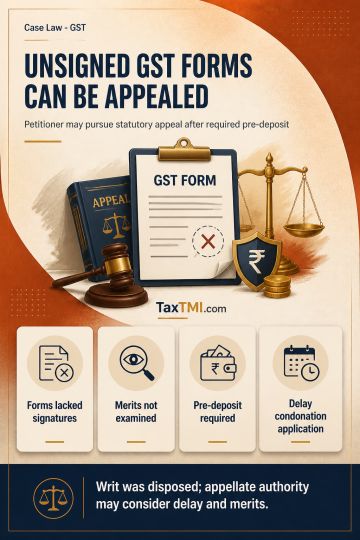
Political contribution deductions require recipient party compliance with contribution-reporting conditions; banking-channel donations alone do not qu...
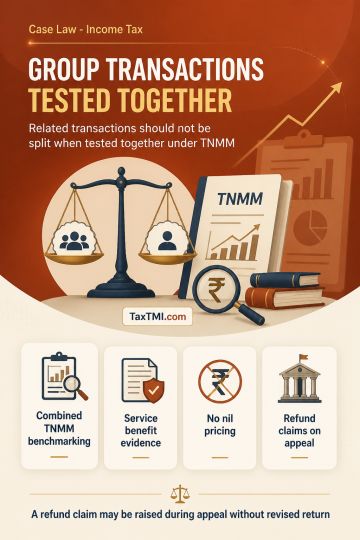
Aggregation under TNMM prevents selective testing of intra-group services without comparable uncontrolled transactions, while appellate additional cla...
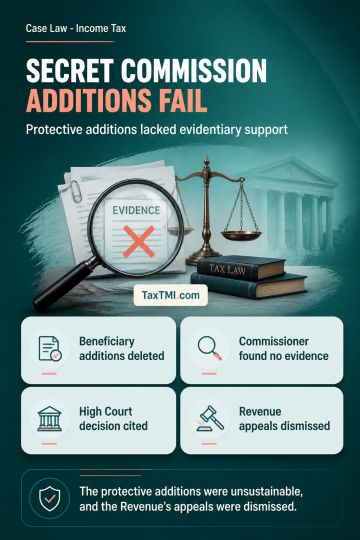
Protective assessment cannot duplicate identical receipts under competing characterisations; remote services did not establish a taxable permanent est...
Current account treatment of overseas tournament services removed most FEMA findings, but excess EEFC remittance and delayed repatriation remained bre...
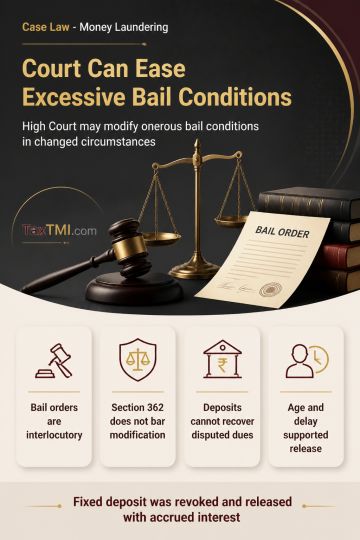
Modification of bail conditions remains available through inherent jurisdiction where onerous deposits undermine justice and cannot recover disputed d...
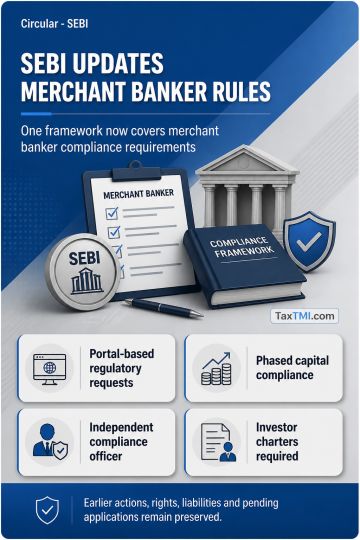
Merchant banker regulation consolidates registration, governance, capital, reporting, outsourcing and investor-protection requirements under an update...
The Appellate Tribunal upheld the finding of fraudulent conduct where the suspended directors continued to show a subsidiary investment in the corporate debtor's financial statements despite alleging an earlier sale, disclosed the transaction only during CIRP, and failed to substantiate the alleged diversion or external payment of sale consideration. It held that section 66(1) and section 66(2) operate independently, and that once the resolution professional produces sufficient material, the burden shifts to the directors to explain the impugned transactions. The direction to contribute to the assets of the corporate debtor was sustained. However, the direction for SFIO investigation was set aside because the power to order such investigation vests in the Central Government, and the matter was instead referred for investigation through Inspector or Inspectors.
The Appellate Tribunal upheld the finding of fraudulent conduct where the suspended directors continued to show a subsidiary investment in the corporate debtor's financial statements despite alleging an earlier sale, disclosed the transaction only during CIRP, and failed to substantiate the alleged diversion or external payment of sale consideration. It held that section 66(1) and section 66(2) operate independently, and that once the resolution professional produces sufficient material, the burden shifts to the directors to explain the impugned transactions. The direction to contribute to the assets of the corporate debtor was sustained. However, the direction for SFIO investigation was set aside because the power to order such investigation vests in the Central Government, and the matter was instead referred for investigation through Inspector or Inspectors.
Note: It is a system-generated summary and is for quick reference only.
 TaxTMI
 of 4807














 Join Channel


 TaxTMI