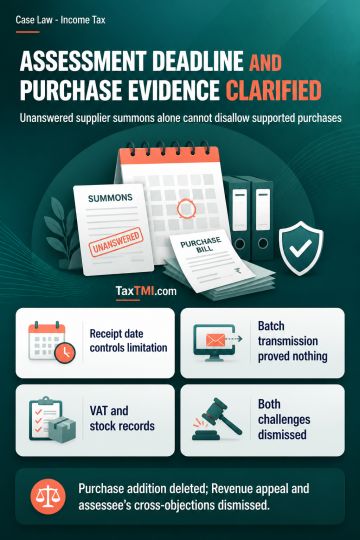
Limitation for consequential assessments runs from prescribed authority receipt, while verified purchases cannot be disallowed merely for unanswered s...
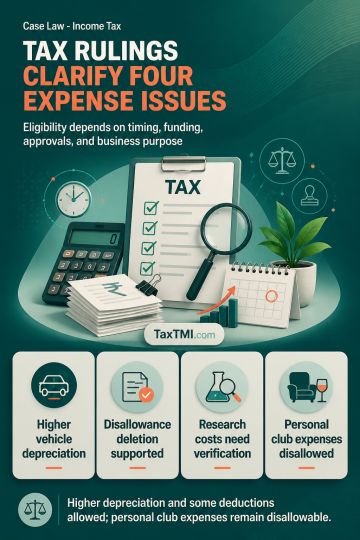
Higher depreciation for qualifying commercial vehicles, exempt-income disallowance, research deduction verification, and club-expense treatment clarif...
Charitable registration renewal cannot become an assessment of receipts, profitability or annual exemption compliance, requiring renewal and donation ...
AMP expenditure for own business is not an international transaction without an associated-enterprise arrangement, eliminating transfer pricing adjust...
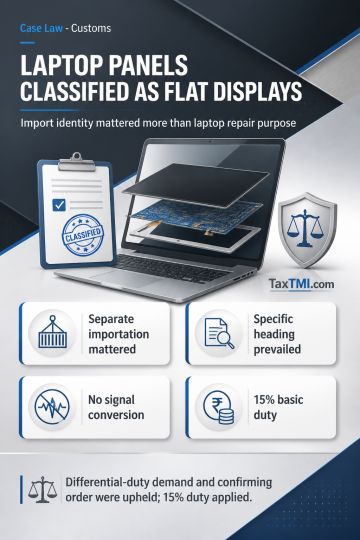
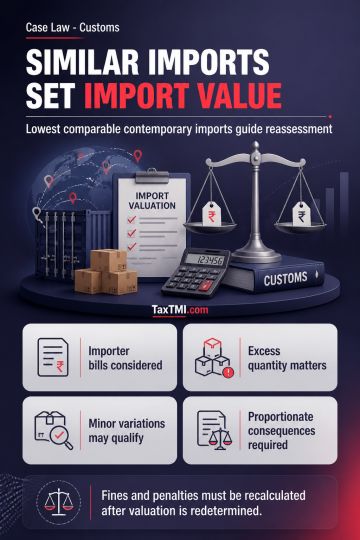
Customs valuation must use comparable contemporary imports, while confiscation fines and penalties require proportionate recalculation on reassessed v...
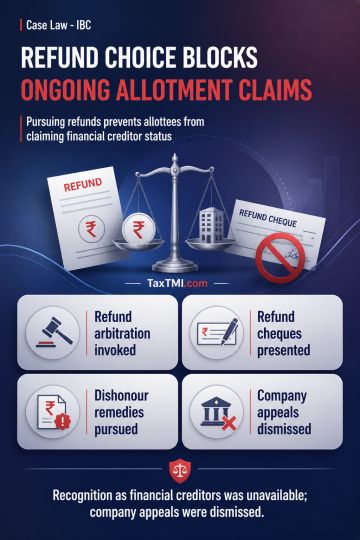
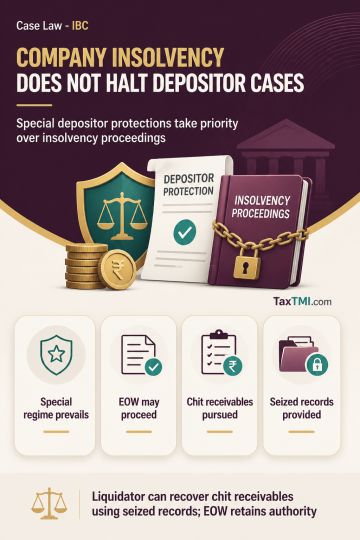
Depositor-protection proceedings prevail over corporate insolvency, while liquidators may recover chit receivables using copies of seized company reco...
The Appellate Tribunal upheld the finding of fraudulent conduct where the suspended directors continued to show a subsidiary investment in the corporate debtor's financial statements despite alleging an earlier sale, disclosed the transaction only during CIRP, and failed to substantiate the alleged diversion or external payment of sale consideration. It held that section 66(1) and section 66(2) operate independently, and that once the resolution professional produces sufficient material, the burden shifts to the directors to explain the impugned transactions. The direction to contribute to the assets of the corporate debtor was sustained. However, the direction for SFIO investigation was set aside because the power to order such investigation vests in the Central Government, and the matter was instead referred for investigation through Inspector or Inspectors.
The Appellate Tribunal upheld the finding of fraudulent conduct where the suspended directors continued to show a subsidiary investment in the corporate debtor's financial statements despite alleging an earlier sale, disclosed the transaction only during CIRP, and failed to substantiate the alleged diversion or external payment of sale consideration. It held that section 66(1) and section 66(2) operate independently, and that once the resolution professional produces sufficient material, the burden shifts to the directors to explain the impugned transactions. The direction to contribute to the assets of the corporate debtor was sustained. However, the direction for SFIO investigation was set aside because the power to order such investigation vests in the Central Government, and the matter was instead referred for investigation through Inspector or Inspectors.
Note: It is a system-generated summary and is for quick reference only.
 TaxTMI
  TaxTMI
 of 4811












 Join Channel