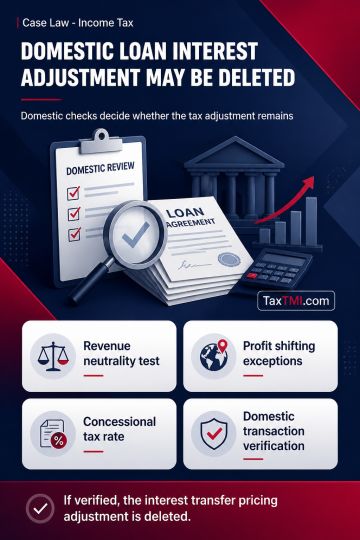
Revenue neutrality in domestic related-party loans can require deletion of interest transfer pricing adjustments after domestic-transaction verificati...
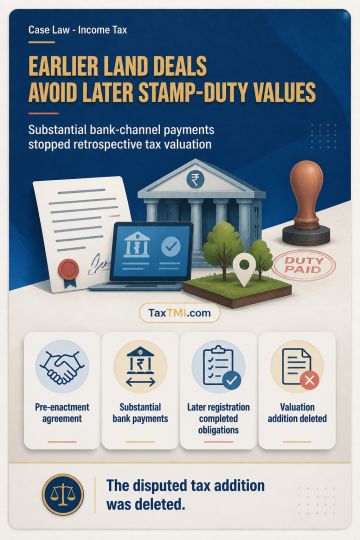
Pre-enactment land-sale agreements escape stamp-duty value substitution where substantial banking-channel consideration was received before Section 43...
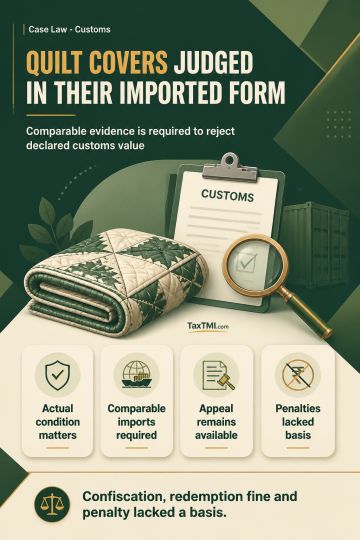
Customs valuation and classification require comparable evidence and assessment of imported goods in their actual condition, invalidating related pena...
Polypropylene leno bags were held not classifiable as textile goods under Heading 6305 33 00 because the appellant failed to show that the plastic strips used in weaving satisfied the conditions for treatment as synthetic textile under Section XI Note 1(g) read with Heading 6305. The Court reiterated that there is no estoppel against claiming the correct tariff classification, but that principle does not relieve the importer of proving that the product answers the textile entry. Applying the common parlance test and relying on prior precedent, the Court found the goods were known in the market as plastic sacks, not textile sacks, and left their classification under Heading 3923 2900 undisturbed.
Polypropylene leno bags were held not classifiable as textile goods under Heading 6305 33 00 because the appellant failed to show that the plastic strips used in weaving satisfied the conditions for treatment as synthetic textile under Section XI Note 1(g) read with Heading 6305. The Court reiterated that there is no estoppel against claiming the correct tariff classification, but that principle does not relieve the importer of proving that the product answers the textile entry. Applying the common parlance test and relying on prior precedent, the Court found the goods were known in the market as plastic sacks, not textile sacks, and left their classification under Heading 3923 2900 undisturbed.
Note: It is a system-generated summary and is for quick reference only.
 TaxTMI
  TaxTMI
 of 4813






 Join Channel


