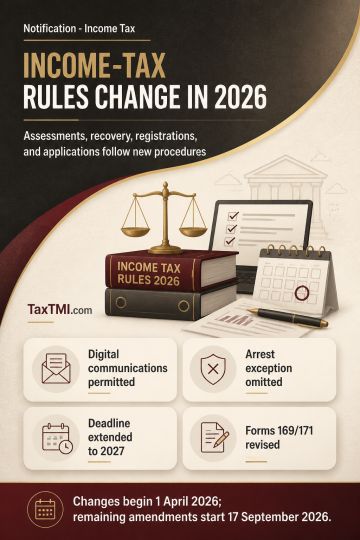
Faceless assessment and registration procedures are updated through electronic communication, revised recovery rules, extended deadlines, and replacem...
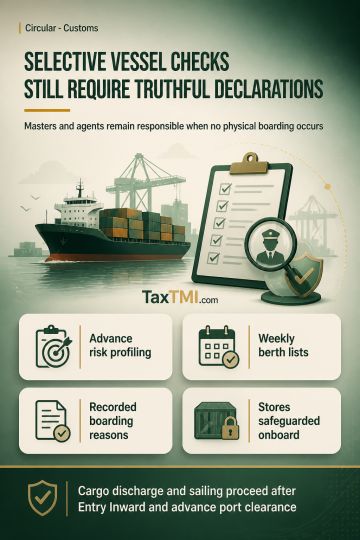
Risk-based selective vessel boarding requires accurate declarations and preserves master and agent liability where physical inspections are not select...
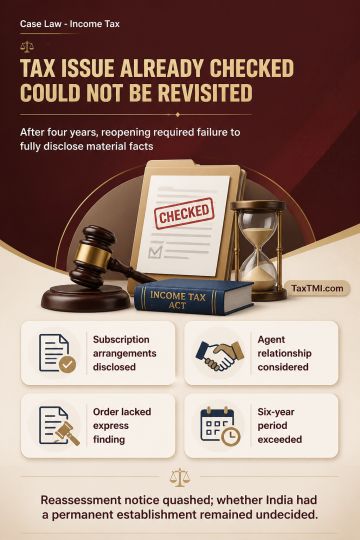
Permanent-establishment reassessment cannot revisit scrutinised disclosures; extended reopening fails without undisclosed material facts and within st...
State GST officers in West Bengal were competent to intercept and detain goods in transit under the IGST Act, because section 4 operates as a deeming provision and no contrary notification was shown. The claim that West Bengal was only a transport corridor failed, as interception occurred within the State and the accompanying documents did not conclusively establish lawful transit. The Court also held that declaring a registered dealer as an unregistered person in the e-way bill, together with a delivery challan signed by an unauthorised person and not meeting Rules 55 and 138, amounted to actionable contraventions. Detention and penalty under section 129 were therefore sustained.
State GST officers in West Bengal were competent to intercept and detain goods in transit under the IGST Act, because section 4 operates as a deeming provision and no contrary notification was shown. The claim that West Bengal was only a transport corridor failed, as interception occurred within the State and the accompanying documents did not conclusively establish lawful transit. The Court also held that declaring a registered dealer as an unregistered person in the e-way bill, together with a delivery challan signed by an unauthorised person and not meeting Rules 55 and 138, amounted to actionable contraventions. Detention and penalty under section 129 were therefore sustained.
Note: It is a system-generated summary and is for quick reference only.
 TaxTMI
  TaxTMI