Political contribution deductions require genuine transactions; banking records and party registration alone cannot defeat evidence of accommodation e...
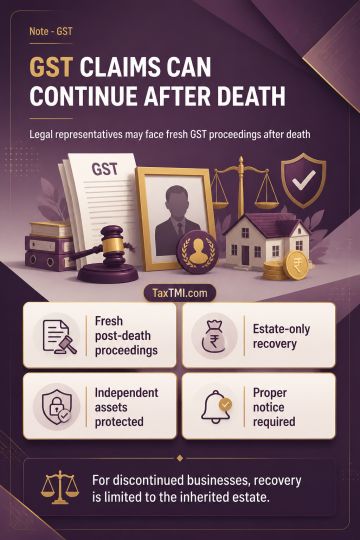
Post-death GST liability permits fresh proceedings against legal representatives, while discontinued-business recovery remains limited to the inherite...
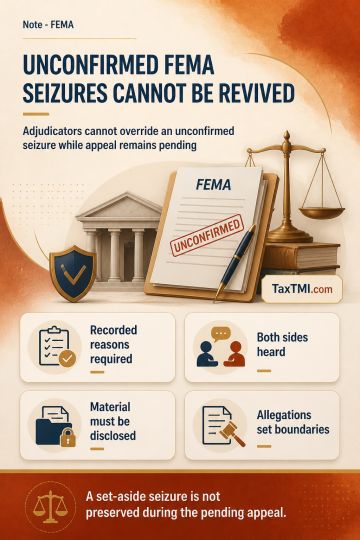
Non-confirmation of FEMA seizure prevents adjudicators from overriding pending appellate findings on recorded reasons and suspected foreign asset hold...
The primary issue is classification of expenditure on railway track, conveyor belt and ventilation ducting as revenue or capital. The tribunal applied the enduring-benefit test: if expenditure creates an enduring asset for the business's permanent profit-earning apparatus it is capital; if it facilitates current contract operations and yields only temporary utility it is revenue. Applying this test, the tribunal found the site-specific railway siding, conveyor system and ventilation ducting were temporary, removable or functionally limited to the contract and did not enhance core capacity; accordingly the expenditure was revenue in nature and the appellant's appeal was allowed.
The primary issue is classification of expenditure on railway track, conveyor belt and ventilation ducting as revenue or capital. The tribunal applied the enduring-benefit test: if expenditure creates an enduring asset for the business's permanent profit-earning apparatus it is capital; if it facilitates current contract operations and yields only temporary utility it is revenue. Applying this test, the tribunal found the site-specific railway siding, conveyor system and ventilation ducting were temporary, removable or functionally limited to the contract and did not enhance core capacity; accordingly the expenditure was revenue in nature and the appellant's appeal was allowed.
Note: It is a system-generated summary and is for quick reference only.
 TaxTMI
  TaxTMI