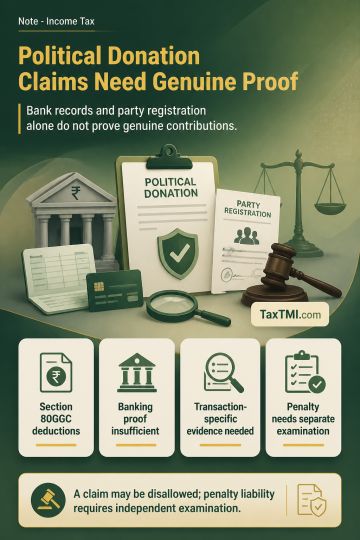
Political contribution deductions require genuine transactions; banking records and party registration alone cannot defeat evidence of accommodation e...
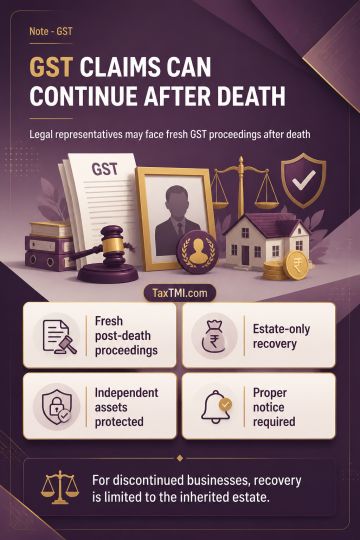
Post-death GST liability permits fresh proceedings against legal representatives, while discontinued-business recovery remains limited to the inherite...
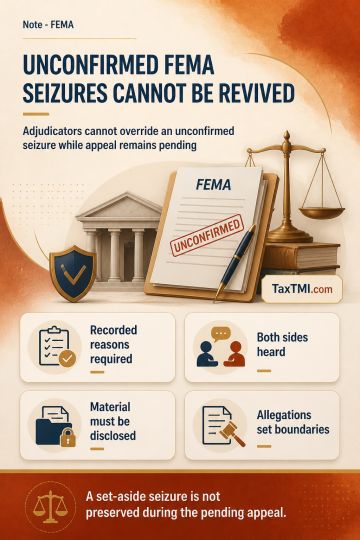
Non-confirmation of FEMA seizure prevents adjudicators from overriding pending appellate findings on recorded reasons and suspected foreign asset hold...
Financial creditor's insolvency petition under Section 7 was...
Insolvency petition based on admitted debt and default upheld; challenge for malicious initiation rejected, settlement may proceed under resolution framework
Contents
Summary
Note
Bookmark
Share
✓ Copied successfully !
Print
Print Options
For full text, please login
Login to TaxTMI
Verification Pending
The Email Id has not been verified. Click on the link we have sent on
Financial creditor's insolvency petition under Section 7 was based on admitted debt and default, supported by multiple OTS proposals; the Adjudicating Authority found the initiation not mala fide or fraudulent and rejected the corporate debtor's challenge under Section 65, leaving admission and IRP appointment intact. The tribunal affirmed that the financial creditor was entitled to proceed under the IBC when debt and default exist. With the CoC constituted, settlement proposals must now be considered within the resolution framework and the parties remain entitled to pursue a one-time settlement or the Swiss challenge route and to take steps under the resolution process applicable post-CoC formation.
Financial creditor's insolvency petition under Section 7 was based on admitted debt and default, supported by multiple OTS proposals; the Adjudicating Authority found the initiation not mala fide or fraudulent and rejected the corporate debtor's challenge under Section 65, leaving admission and IRP appointment intact. The tribunal affirmed that the financial creditor was entitled to proceed under the IBC when debt and default exist. With the CoC constituted, settlement proposals must now be considered within the resolution framework and the parties remain entitled to pursue a one-time settlement or the Swiss challenge route and to take steps under the resolution process applicable post-CoC formation.
Note: It is a system-generated summary and is for quick reference only.
 TaxTMI
  TaxTMI