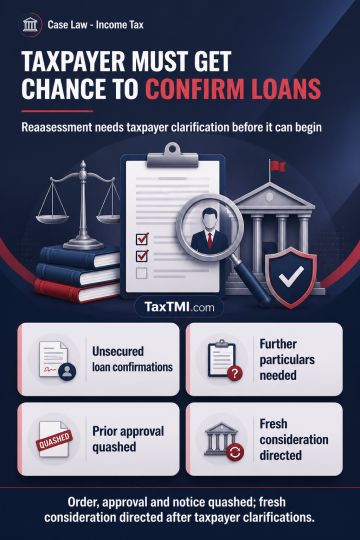
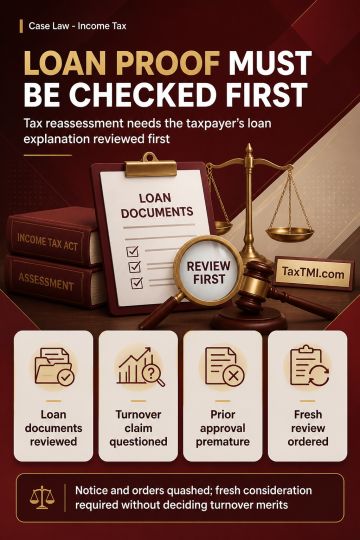
Opportunity to furnish unsecured-loan confirmations is required before reassessment initiation; proceedings require fresh consideration after taxpayer...
CESTAT allowed the appeal and set aside the impugned demand. The...
Demand set aside: extended limitation cannot sustain 01.05.2003-30.09.2004; Rule 9 misapplied without s.4(3)(b)(ii)-(iv) findings and Rule 10 mandates valuation as if unrelated
Contents
Summary
Note
Bookmark
Share
✓ Copied successfully !
Print
Print Options
For full text, please login
Login to TaxTMI
Verification Pending
The Email Id has not been verified. Click on the link we have sent on
CESTAT allowed the appeal and set aside the impugned demand. The Tribunal held the extended period of limitation could not sustain the demand for the period 01.05.2003-30.09.2004 in light of controlling SC precedent, rendering confirmation under the extended period untenable. Further, the adjudication erroneously applied Rule 9 of the Valuation Rules by treating oil marketing companies as "related persons" without recording requisite findings under s.4(3)(b)(ii)-(iv) of the Central Excise Act, 1944; Rule 10 requires valuation as if not related unless those statutory relationships are established. For these reasons the demand lacked legal foundation and the appeal was allowed.
CESTAT allowed the appeal and set aside the impugned demand. The Tribunal held the extended period of limitation could not sustain the demand for the period 01.05.2003-30.09.2004 in light of controlling SC precedent, rendering confirmation under the extended period untenable. Further, the adjudication erroneously applied Rule 9 of the Valuation Rules by treating oil marketing companies as "related persons" without recording requisite findings under s.4(3)(b)(ii)-(iv) of the Central Excise Act, 1944; Rule 10 requires valuation as if not related unless those statutory relationships are established. For these reasons the demand lacked legal foundation and the appeal was allowed.
Note: It is a system-generated summary and is for quick reference only.
 TaxTMI
  TaxTMI