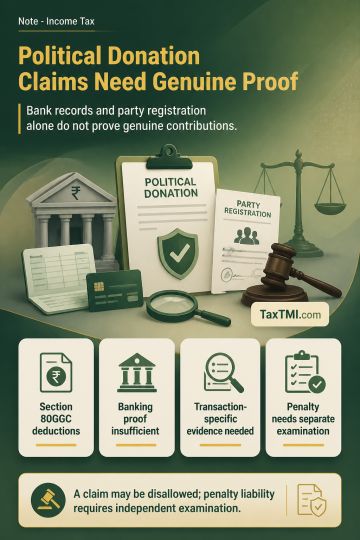
Political contribution deductions require genuine transactions; banking records and party registration alone cannot defeat evidence of accommodation e...
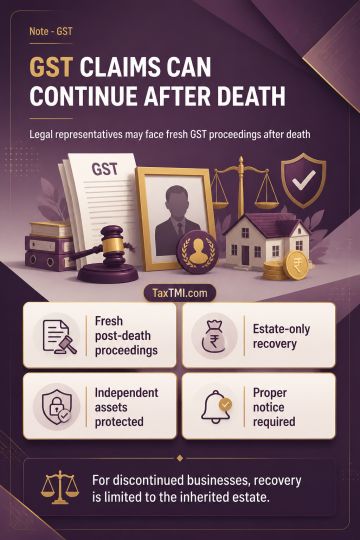
Post-death GST liability permits fresh proceedings against legal representatives, while discontinued-business recovery remains limited to the inherite...
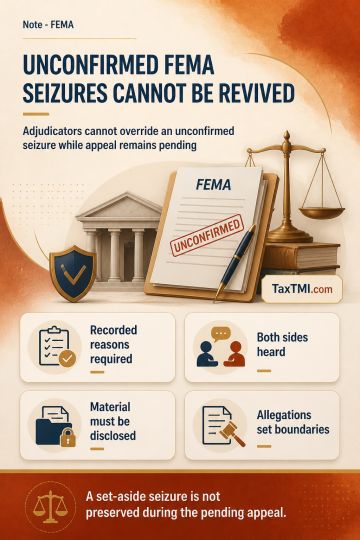
Non-confirmation of FEMA seizure prevents adjudicators from overriding pending appellate findings on recorded reasons and suspected foreign asset hold...
SC dismissed the appeal and rejected the Section 7 invocation, holding the appellant was not a financial creditor. The Court found the cumulative redeemable preference shares constituted share capital, not a loan, and dividends depend on profits; amounts paid on CRPS do not qualify as debt. Redemption had not become due because there were no profits, reserves or fresh-issue proceeds for redemption, so no default under Section 3(12) arose. The prior liability stood extinguished on issuance of CRPS, converting the relationship into that of a preference shareholder, and there was no commercial effect of borrowing. Consequently, the Section 7 application was unsustainable and the appeal was dismissed.
SC dismissed the appeal and rejected the Section 7 invocation, holding the appellant was not a financial creditor. The Court found the cumulative redeemable preference shares constituted share capital, not a loan, and dividends depend on profits; amounts paid on CRPS do not qualify as debt. Redemption had not become due because there were no profits, reserves or fresh-issue proceeds for redemption, so no default under Section 3(12) arose. The prior liability stood extinguished on issuance of CRPS, converting the relationship into that of a preference shareholder, and there was no commercial effect of borrowing. Consequently, the Section 7 application was unsustainable and the appeal was dismissed.
Note: It is a system-generated summary and is for quick reference only.
 TaxTMI
  TaxTMI