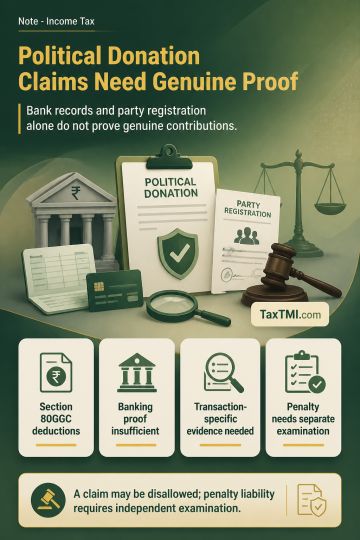
Political contribution deductions require genuine transactions; banking records and party registration alone cannot defeat evidence of accommodation e...
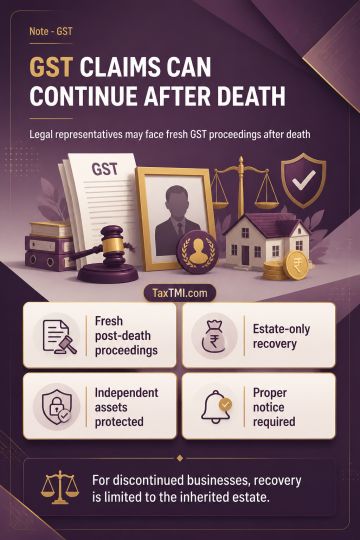
Post-death GST liability permits fresh proceedings against legal representatives, while discontinued-business recovery remains limited to the inherite...
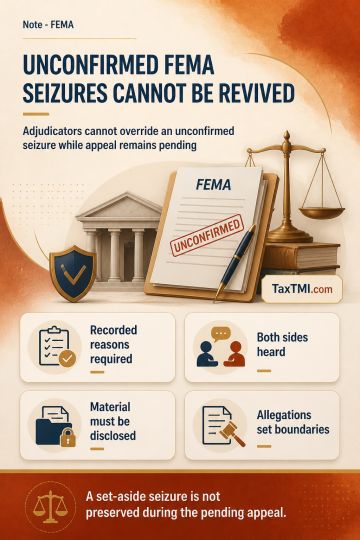
Non-confirmation of FEMA seizure prevents adjudicators from overriding pending appellate findings on recorded reasons and suspected foreign asset hold...
The NCLAT allowed the appeals and set aside the NCLT orders, holding the two Section 95 petitions by the appellant/financial creditor to initiate PIRP against anonymized guarantors were not time-barred. The Tribunal clarified that the date of default stated in the petition indicates a fact of cause of action but need not be the terminus a quo for limitation, which is fact-specific. It held 20.11.2018 as the relevant terminus a quo, excluded the COVID suspension period (15.03.2020-28.02.2022) for computation, and concluded limitation extended into 2024. Consequently the petitions filed in November and December 2022 fell within the extended limitation period.
The NCLAT allowed the appeals and set aside the NCLT orders, holding the two Section 95 petitions by the appellant/financial creditor to initiate PIRP against anonymized guarantors were not time-barred. The Tribunal clarified that the date of default stated in the petition indicates a fact of cause of action but need not be the terminus a quo for limitation, which is fact-specific. It held 20.11.2018 as the relevant terminus a quo, excluded the COVID suspension period (15.03.2020-28.02.2022) for computation, and concluded limitation extended into 2024. Consequently the petitions filed in November and December 2022 fell within the extended limitation period.
Note: It is a system-generated summary and is for quick reference only.
 TaxTMI
  TaxTMI