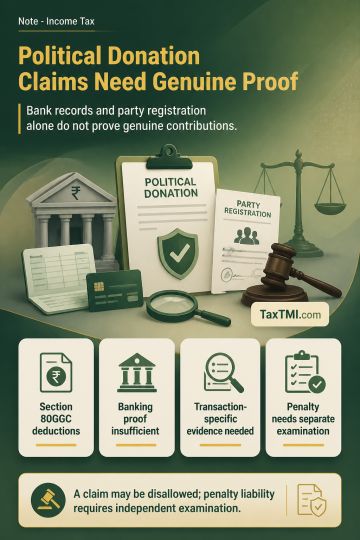
Political contribution deductions require genuine transactions; banking records and party registration alone cannot defeat evidence of accommodation e...
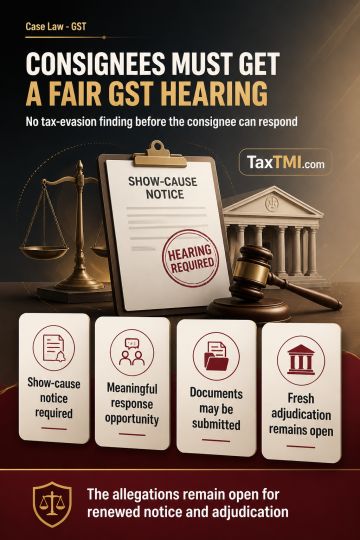
Post-death GST liability permits fresh proceedings against legal representatives, while discontinued-business recovery remains limited to the inherite...
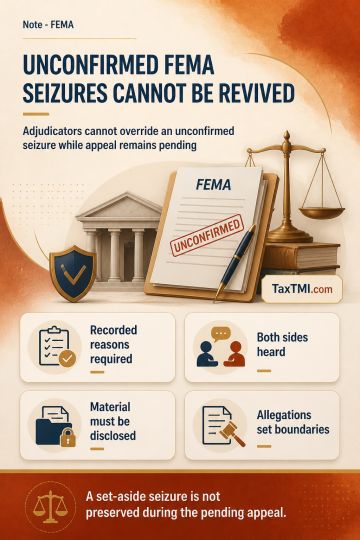
Non-confirmation of FEMA seizure prevents adjudicators from overriding pending appellate findings on recorded reasons and suspected foreign asset hold...
The HC affirms the ITAT's conclusion that full-time consultant/honorary doctors engaged by the petitioner do not constitute employees, so amounts paid to them fall within the ambit of section 194J rather than salary withholding; factors included absence of fixed remuneration, freedom to practice elsewhere, lack of statutory benefits and supervisory control, and the doctors' own tax treatment as business/professional income. However, the HC set aside the ITAT's treatment of payments under the annual maintenance contracts (AMCs) and remanded that issue to the ITAT for fresh fact-finding to determine, contract-by-contract, whether TDS should have been deducted under section 194C or section 194J.
The HC affirms the ITAT's conclusion that full-time consultant/honorary doctors engaged by the petitioner do not constitute employees, so amounts paid to them fall within the ambit of section 194J rather than salary withholding; factors included absence of fixed remuneration, freedom to practice elsewhere, lack of statutory benefits and supervisory control, and the doctors' own tax treatment as business/professional income. However, the HC set aside the ITAT's treatment of payments under the annual maintenance contracts (AMCs) and remanded that issue to the ITAT for fresh fact-finding to determine, contract-by-contract, whether TDS should have been deducted under section 194C or section 194J.
Note: It is a system-generated summary and is for quick reference only.
 TaxTMI
  TaxTMI