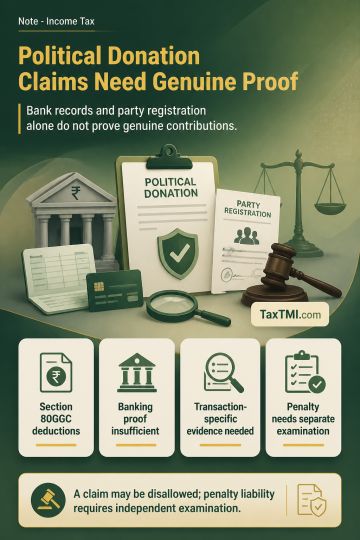
Political contribution deductions require genuine transactions; banking records and party registration alone cannot defeat evidence of accommodation e...
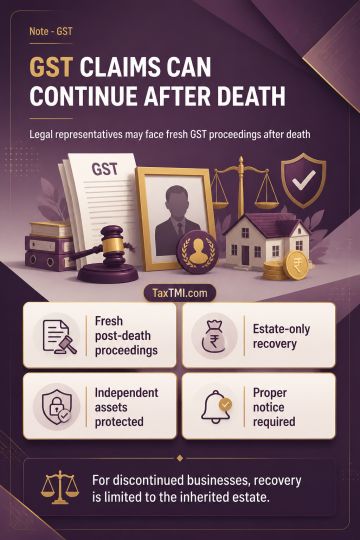
Post-death GST liability permits fresh proceedings against legal representatives, while discontinued-business recovery remains limited to the inherite...
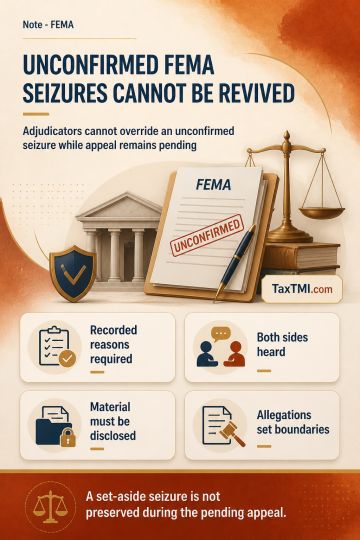
Non-confirmation of FEMA seizure prevents adjudicators from overriding pending appellate findings on recorded reasons and suspected foreign asset hold...
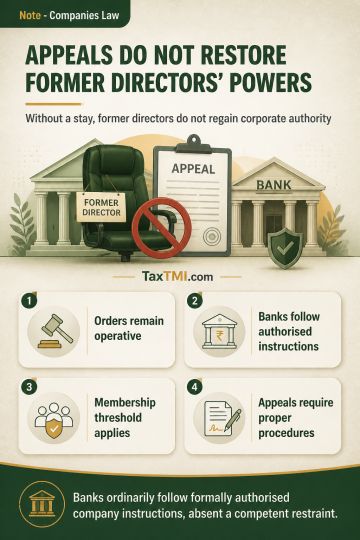
The Appellate Tribunal (NCLAT) dismissed the application to recall its judgment, holding that recall is permissible only on limited inherent-jurisdiction grounds (fraud, court-mislead, lack of jurisdiction, non-joinder/service of a necessary party, or a court-made mistake prejudicing a party). The Tribunal found no such ground: the appellant's representations were recorded, no factual error existed in the impugned order, and there was no allegation of fraud, collusion or jurisdictional defect. The absence of the appellant at the adjudicating authority's hearing did not satisfy recall criteria. The application was effectively a prohibited review in disguise; the appellant had an adequate remedy by appeal. Consequently, the recall application was dismissed.
The Appellate Tribunal (NCLAT) dismissed the application to recall its judgment, holding that recall is permissible only on limited inherent-jurisdiction grounds (fraud, court-mislead, lack of jurisdiction, non-joinder/service of a necessary party, or a court-made mistake prejudicing a party). The Tribunal found no such ground: the appellant's representations were recorded, no factual error existed in the impugned order, and there was no allegation of fraud, collusion or jurisdictional defect. The absence of the appellant at the adjudicating authority's hearing did not satisfy recall criteria. The application was effectively a prohibited review in disguise; the appellant had an adequate remedy by appeal. Consequently, the recall application was dismissed.
Note: It is a system-generated summary and is for quick reference only.
 TaxTMI
  TaxTMI