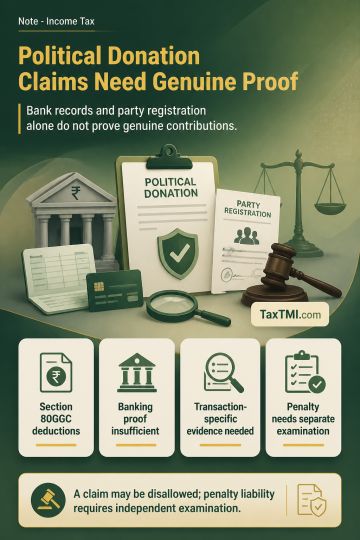
Political contribution deductions require genuine transactions; banking records and party registration alone cannot defeat evidence of accommodation e...
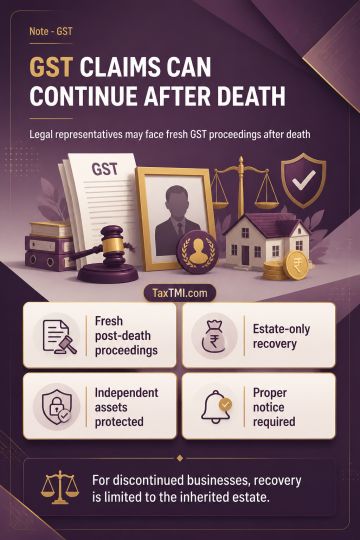
Post-death GST liability permits fresh proceedings against legal representatives, while discontinued-business recovery remains limited to the inherite...
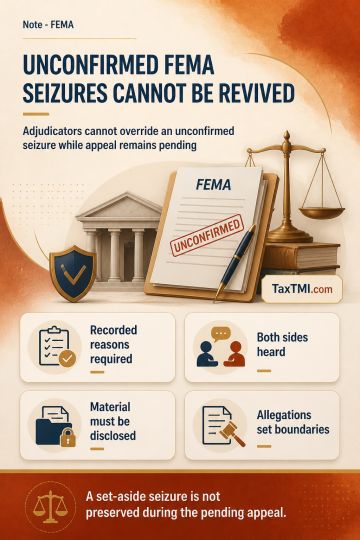
Non-confirmation of FEMA seizure prevents adjudicators from overriding pending appellate findings on recorded reasons and suspected foreign asset hold...
The HC declined to entertain the petition under Article 227, holding that the petitioner has an alternative efficacious remedy under Section 107 of the GST Act. The challenge concerned disallowance of input tax credit due to alleged non-application of mind and violation of natural justice principles. The court noted the petitioner failed to request copies of documents referenced in the show-cause notice and impugned order. The respondent's order considered the non-existence of suppliers and non-payment of tax by them, concluding the petitioner did not substantiate the movement of goods. Given the fraudulent GST numbers used by suppliers, the petitioner was directed to raise all grievances before the designated Appellate Authority. Consequently, the petition was dismissed for lack of maintainability, with the petitioner relegated to the statutory remedy under Section 107.
The HC declined to entertain the petition under Article 227, holding that the petitioner has an alternative efficacious remedy under Section 107 of the GST Act. The challenge concerned disallowance of input tax credit due to alleged non-application of mind and violation of natural justice principles. The court noted the petitioner failed to request copies of documents referenced in the show-cause notice and impugned order. The respondent's order considered the non-existence of suppliers and non-payment of tax by them, concluding the petitioner did not substantiate the movement of goods. Given the fraudulent GST numbers used by suppliers, the petitioner was directed to raise all grievances before the designated Appellate Authority. Consequently, the petition was dismissed for lack of maintainability, with the petitioner relegated to the statutory remedy under Section 107.
Note: It is a system-generated summary and is for quick reference only.
 TaxTMI
  TaxTMI