Political contribution deductions require genuine transactions; banking records and party registration alone cannot defeat evidence of accommodation e...
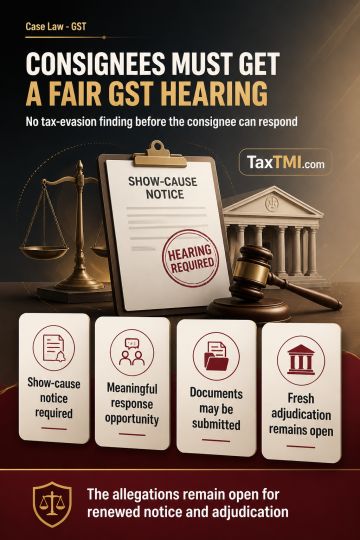
Post-death GST liability permits fresh proceedings against legal representatives, while discontinued-business recovery remains limited to the inherite...
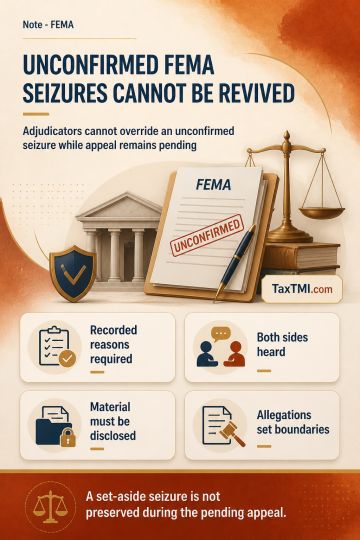
Non-confirmation of FEMA seizure prevents adjudicators from overriding pending appellate findings on recorded reasons and suspected foreign asset hold...
The HC dismissed the suit for damages due to non-compliance with Section 80 CPC, which mandates a two-month prior notice before suing a public officer; absence of such notice rendered the suit barred and non-maintainable. However, the suit was not barred under Section 34 of the SARFAESI Act, as the Civil Court's jurisdiction to entertain claims for damages is wider than the limited scope of the SARFAESI Tribunal. The pendency of winding-up proceedings under the 1956 Act did not oust the Civil Court's jurisdiction. Although the plaintiff's authorized representative lacked authority regarding the company plaintiff, this did not warrant partial rejection of the plaint since other plaintiffs were represented. The court declined to consider new grounds related to the CIRP and resolution plan not raised below. The order permitting withdrawal with liberty to file a fresh suit on the same cause of action under Order XXIII Rules 1 and 3 CPC was upheld.
The HC dismissed the suit for damages due to non-compliance with Section 80 CPC, which mandates a two-month prior notice before suing a public officer; absence of such notice rendered the suit barred and non-maintainable. However, the suit was not barred under Section 34 of the SARFAESI Act, as the Civil Court's jurisdiction to entertain claims for damages is wider than the limited scope of the SARFAESI Tribunal. The pendency of winding-up proceedings under the 1956 Act did not oust the Civil Court's jurisdiction. Although the plaintiff's authorized representative lacked authority regarding the company plaintiff, this did not warrant partial rejection of the plaint since other plaintiffs were represented. The court declined to consider new grounds related to the CIRP and resolution plan not raised below. The order permitting withdrawal with liberty to file a fresh suit on the same cause of action under Order XXIII Rules 1 and 3 CPC was upheld.
Note: It is a system-generated summary and is for quick reference only.
 TaxTMI
  TaxTMI