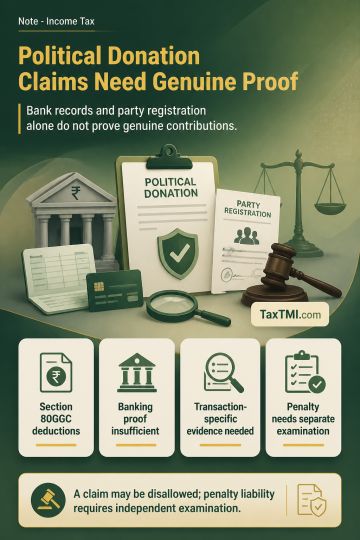
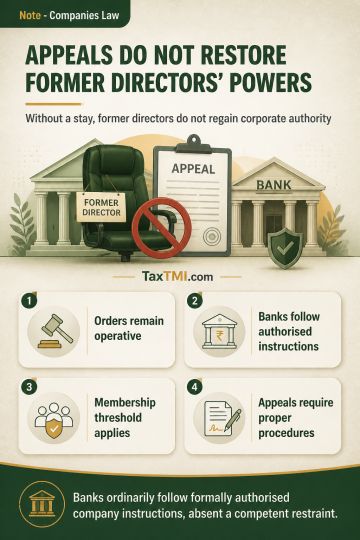
Political contribution deductions require genuine transactions; banking records and party registration alone cannot defeat evidence of accommodation e...
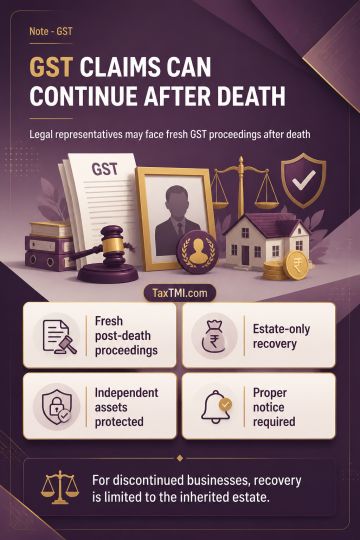
Post-death GST liability permits fresh proceedings against legal representatives, while discontinued-business recovery remains limited to the inherite...
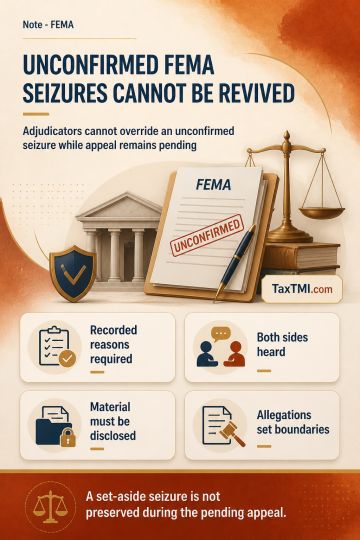
Non-confirmation of FEMA seizure prevents adjudicators from overriding pending appellate findings on recorded reasons and suspected foreign asset hold...
The CESTAT held that the appellant's belief in the exemption from service tax was bona fide and supported by the agreement and conduct of the Railway Authorities, negating any suppression of facts with intent to evade tax. Consequently, the invocation of the extended limitation period under Section 73(1) of the Finance Act was held unsustainable. The Tribunal noted that the Department failed to invoke Section 73A, which alone could support extended recovery, rendering the impugned order invalid. Furthermore, since the service recipient was Indian Railways, a government entity, the revenue lacked authority to recover service tax from the appellant on behalf of another government organization. The impugned order was set aside and the appeal allowed.
The CESTAT held that the appellant's belief in the exemption from service tax was bona fide and supported by the agreement and conduct of the Railway Authorities, negating any suppression of facts with intent to evade tax. Consequently, the invocation of the extended limitation period under Section 73(1) of the Finance Act was held unsustainable. The Tribunal noted that the Department failed to invoke Section 73A, which alone could support extended recovery, rendering the impugned order invalid. Furthermore, since the service recipient was Indian Railways, a government entity, the revenue lacked authority to recover service tax from the appellant on behalf of another government organization. The impugned order was set aside and the appeal allowed.
Note: It is a system-generated summary and is for quick reference only.
 TaxTMI
  TaxTMI