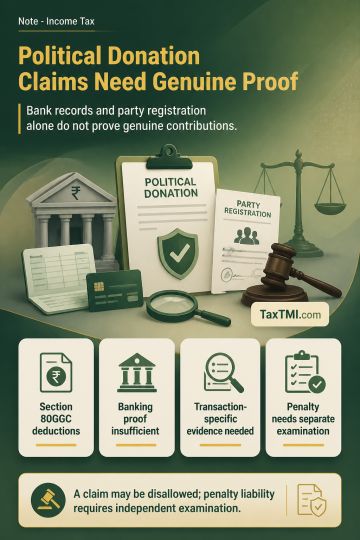
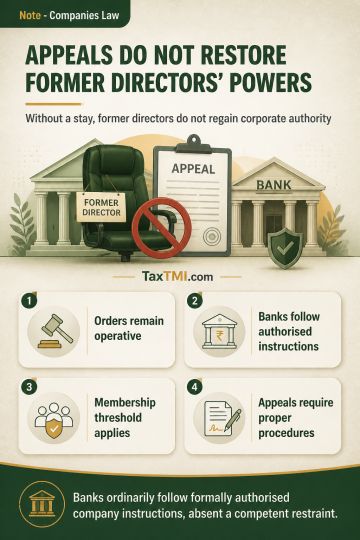
Political contribution deductions require genuine transactions; banking records and party registration alone cannot defeat evidence of accommodation e...
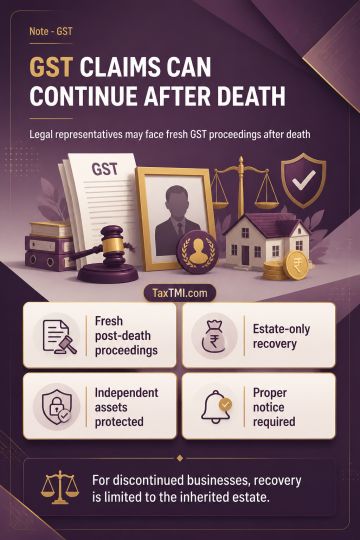
Post-death GST liability permits fresh proceedings against legal representatives, while discontinued-business recovery remains limited to the inherite...
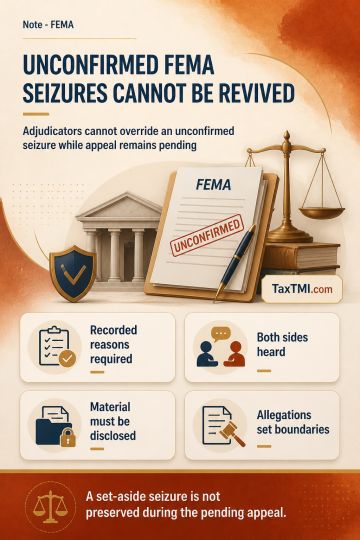
Non-confirmation of FEMA seizure prevents adjudicators from overriding pending appellate findings on recorded reasons and suspected foreign asset hold...
The HC held that the petitioner's deposits in the Electronic Cash Ledger for the GST liability from April to December 2019 are valid and must be appropriated to discharge the tax liability despite the petitioner's failure to file returns due to liquidation proceedings. The Court noted that the petitioner transferred the requisite amounts timely under Section 49 of the GST enactments. The Board's subsequent clarification, which suggested fresh registration and refund applications for liquidators, was deemed a procedural facilitation and not a substantive bar to appropriation of already paid amounts. Consequently, the impugned order denying appropriation was quashed, and the petition was allowed, granting relief to the petitioner by recognizing the Electronic Cash Ledger payments as sufficient discharge of GST liability with interest and penalty.
The HC held that the petitioner's deposits in the Electronic Cash Ledger for the GST liability from April to December 2019 are valid and must be appropriated to discharge the tax liability despite the petitioner's failure to file returns due to liquidation proceedings. The Court noted that the petitioner transferred the requisite amounts timely under Section 49 of the GST enactments. The Board's subsequent clarification, which suggested fresh registration and refund applications for liquidators, was deemed a procedural facilitation and not a substantive bar to appropriation of already paid amounts. Consequently, the impugned order denying appropriation was quashed, and the petition was allowed, granting relief to the petitioner by recognizing the Electronic Cash Ledger payments as sufficient discharge of GST liability with interest and penalty.
Note: It is a system-generated summary and is for quick reference only.
 TaxTMI
  TaxTMI