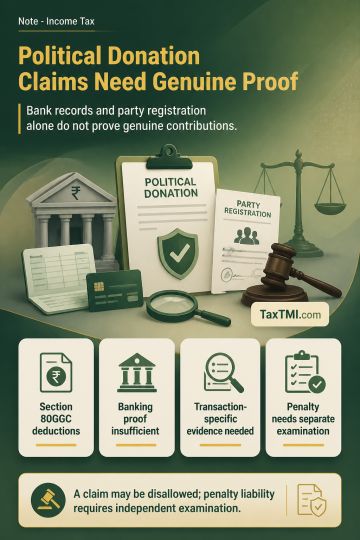
Political contribution deductions require genuine transactions; banking records and party registration alone cannot defeat evidence of accommodation e...
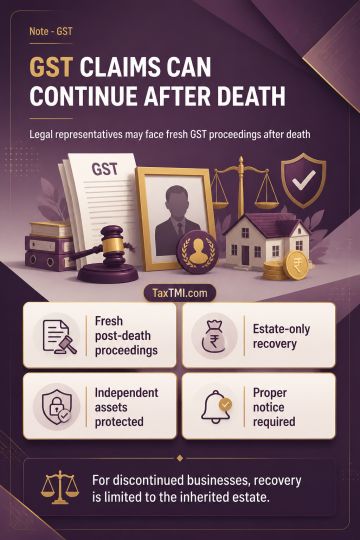
Post-death GST liability permits fresh proceedings against legal representatives, while discontinued-business recovery remains limited to the inherite...
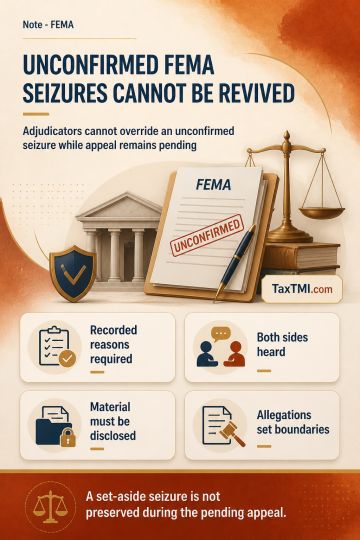
Non-confirmation of FEMA seizure prevents adjudicators from overriding pending appellate findings on recorded reasons and suspected foreign asset hold...
The HC affirmed the conviction of the accused under Section 138 of the NI Act for cheque dishonour due to insufficient funds. The accused failed to rebut the statutory presumption under Sections 118(a) and 139 by adducing defence evidence; mere denial in the Section 313 Cr.P.C. statement was insufficient. The affidavit acknowledging the loan of Rs. 4,50,000/- was admitted and unchallenged, confirming the cheque was issued to discharge a legally enforceable debt. The accused's claim of repayment lacked evidentiary support and was rightly rejected. The dishonour of the cheque and non-payment after notice were duly established beyond reasonable doubt. The HC held the compensation of Rs. 1,00,000/- on the principal amount was not excessive and dismissed the appeal, thereby upholding the trial court's order.
The HC affirmed the conviction of the accused under Section 138 of the NI Act for cheque dishonour due to insufficient funds. The accused failed to rebut the statutory presumption under Sections 118(a) and 139 by adducing defence evidence; mere denial in the Section 313 Cr.P.C. statement was insufficient. The affidavit acknowledging the loan of Rs. 4,50,000/- was admitted and unchallenged, confirming the cheque was issued to discharge a legally enforceable debt. The accused's claim of repayment lacked evidentiary support and was rightly rejected. The dishonour of the cheque and non-payment after notice were duly established beyond reasonable doubt. The HC held the compensation of Rs. 1,00,000/- on the principal amount was not excessive and dismissed the appeal, thereby upholding the trial court's order.
Note: It is a system-generated summary and is for quick reference only.
 TaxTMI
  TaxTMI