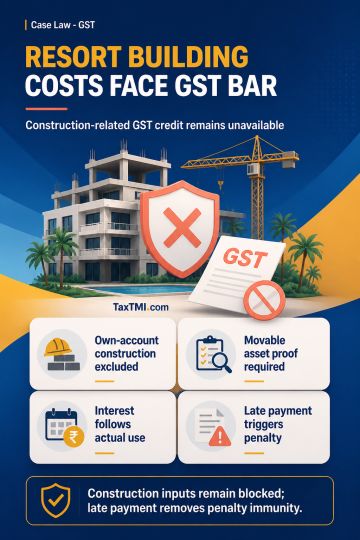
Blocked input tax credit for resort construction remains unavailable; interest follows actual utilisation, while delayed payment attracts statutory pe...
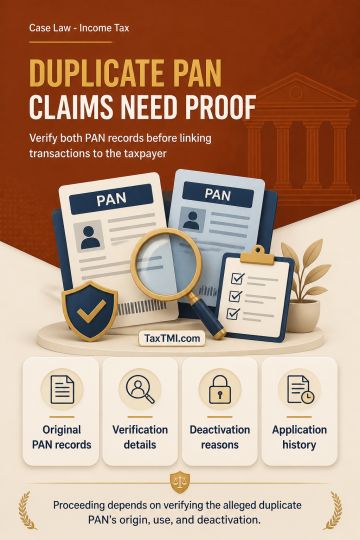
Duplicate PAN allocation requires record verification and deactivation reasons before assessment-related transactions can be attributed to an assessee...
Faceless assessment safeguards require requested personal hearings and adequate final show-cause response time, failing which reassessment is required...
The HC held that the 60-day time limit under Section 54(7) of the WBGST Act, 2017 for passing an order on a refund application is mandatory and any non-compliance vitiates the order passed under Section 54(5). The PO must consider the applicant's reply and provide an opportunity of hearing within this period. The scrutiny and acknowledgment of the refund application must be completed within 15 days as per Rule 90(2). The rejection of the refund claim by the Assistant Commissioner and Appellate Authority was held unlawful as they exceeded their jurisdiction by questioning receipt of goods by the importer, which is irrelevant; the refund is contingent solely on payment of duties, evidenced by customs documents. The HC found the impugned orders and judgment legally flawed, set aside the judgment, and allowed the intra-court appeal due to the authorities' failure to adhere to mandatory timelines and exceed their statutory mandate.
The HC held that the 60-day time limit under Section 54(7) of the WBGST Act, 2017 for passing an order on a refund application is mandatory and any non-compliance vitiates the order passed under Section 54(5). The PO must consider the applicant's reply and provide an opportunity of hearing within this period. The scrutiny and acknowledgment of the refund application must be completed within 15 days as per Rule 90(2). The rejection of the refund claim by the Assistant Commissioner and Appellate Authority was held unlawful as they exceeded their jurisdiction by questioning receipt of goods by the importer, which is irrelevant; the refund is contingent solely on payment of duties, evidenced by customs documents. The HC found the impugned orders and judgment legally flawed, set aside the judgment, and allowed the intra-court appeal due to the authorities' failure to adhere to mandatory timelines and exceed their statutory mandate.
Note: It is a system-generated summary and is for quick reference only.
 TaxTMI
  TaxTMI