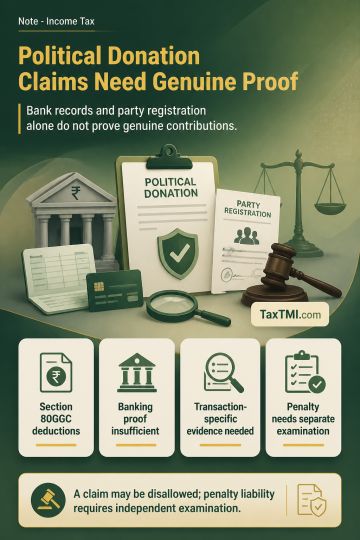
Political contribution deductions require genuine transactions; banking records and party registration alone cannot defeat evidence of accommodation e...
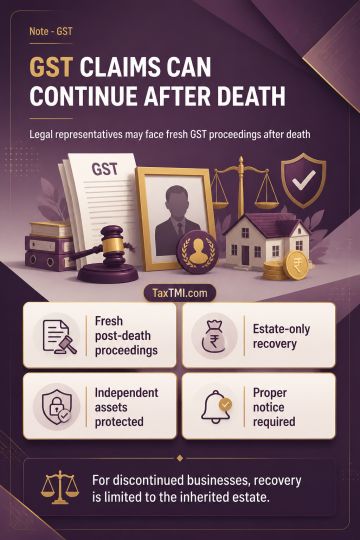
Post-death GST liability permits fresh proceedings against legal representatives, while discontinued-business recovery remains limited to the inherite...
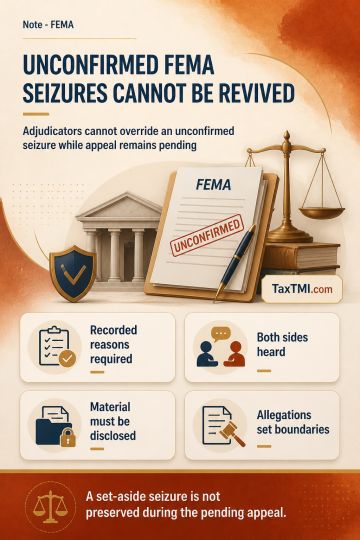
Non-confirmation of FEMA seizure prevents adjudicators from overriding pending appellate findings on recorded reasons and suspected foreign asset hold...
The CESTAT partially allowed the appeal, setting aside the service tax demand related to Construction of Residential Complex Service (CRCS) on the grounds that the appellant complied with conditions under the relevant abatement notification and reversed the availed CENVAT credit. The Tribunal held that the transaction involving transfer of development rights and lump sum premium for commercial/vacant land amounted to a lease akin to sale, thus not taxable as renting of immovable property. Interest received on deferred payments was held to be penal and not includable in taxable value. Supply of water by the appellant, a government authority, was determined to be a sovereign function and not subject to service tax. Consequently, except for the CRCS activity where abatement applies, the service tax demand was confirmed. The denial of CENVAT credit was found unjustified as credits were reversed, negating further dispute on input credit eligibility.
The CESTAT partially allowed the appeal, setting aside the service tax demand related to Construction of Residential Complex Service (CRCS) on the grounds that the appellant complied with conditions under the relevant abatement notification and reversed the availed CENVAT credit. The Tribunal held that the transaction involving transfer of development rights and lump sum premium for commercial/vacant land amounted to a lease akin to sale, thus not taxable as renting of immovable property. Interest received on deferred payments was held to be penal and not includable in taxable value. Supply of water by the appellant, a government authority, was determined to be a sovereign function and not subject to service tax. Consequently, except for the CRCS activity where abatement applies, the service tax demand was confirmed. The denial of CENVAT credit was found unjustified as credits were reversed, negating further dispute on input credit eligibility.
Note: It is a system-generated summary and is for quick reference only.
 TaxTMI
  TaxTMI