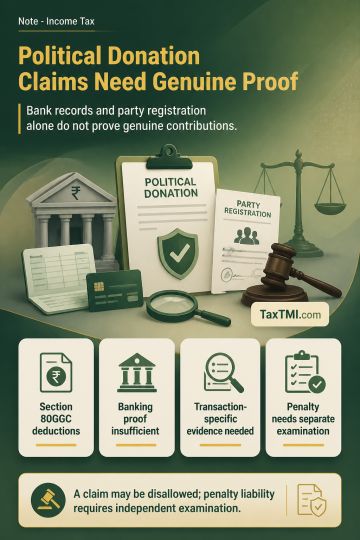
Political contribution deductions require genuine transactions; banking records and party registration alone cannot defeat evidence of accommodation e...
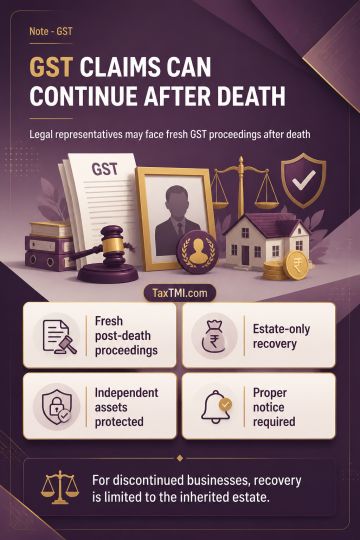
Post-death GST liability permits fresh proceedings against legal representatives, while discontinued-business recovery remains limited to the inherite...
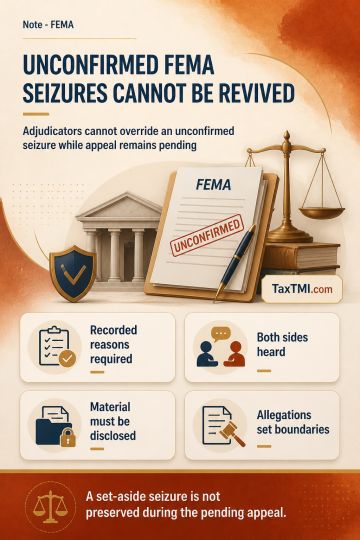
Non-confirmation of FEMA seizure prevents adjudicators from overriding pending appellate findings on recorded reasons and suspected foreign asset hold...
The SC dismissed the application under Section 11 of the Arbitration and Conciliation Act, 1996, holding that no arbitration agreement existed between the parties. The Court clarified that while exercising powers under Section 11, it must conduct a preliminary examination of the clause alleged to be an arbitration agreement to determine if it prima facie satisfies the requirements under Section 7, without conducting a full trial. Clause 13, relied upon by the appellant, was found not to constitute an arbitration agreement as it merely outlined a dispute resolution procedure with an option to seek arbitration, which was not mutually agreed upon. Clause 32, concerning jurisdiction, did not negate arbitration but was irrelevant since no arbitration agreement existed. Consequently, the High Court's rejection of the appointment of an arbitrator was affirmed, and the appeal was dismissed.
The SC dismissed the application under Section 11 of the Arbitration and Conciliation Act, 1996, holding that no arbitration agreement existed between the parties. The Court clarified that while exercising powers under Section 11, it must conduct a preliminary examination of the clause alleged to be an arbitration agreement to determine if it prima facie satisfies the requirements under Section 7, without conducting a full trial. Clause 13, relied upon by the appellant, was found not to constitute an arbitration agreement as it merely outlined a dispute resolution procedure with an option to seek arbitration, which was not mutually agreed upon. Clause 32, concerning jurisdiction, did not negate arbitration but was irrelevant since no arbitration agreement existed. Consequently, the High Court's rejection of the appointment of an arbitrator was affirmed, and the appeal was dismissed.
Note: It is a system-generated summary and is for quick reference only.
 TaxTMI
  TaxTMI