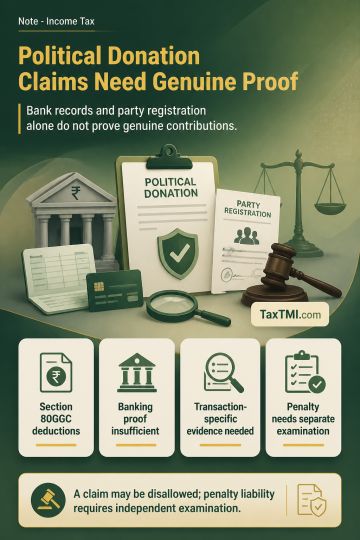
Political contribution deductions require genuine transactions; banking records and party registration alone cannot defeat evidence of accommodation e...
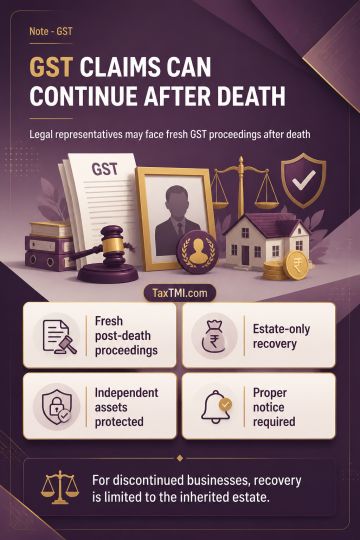
Post-death GST liability permits fresh proceedings against legal representatives, while discontinued-business recovery remains limited to the inherite...
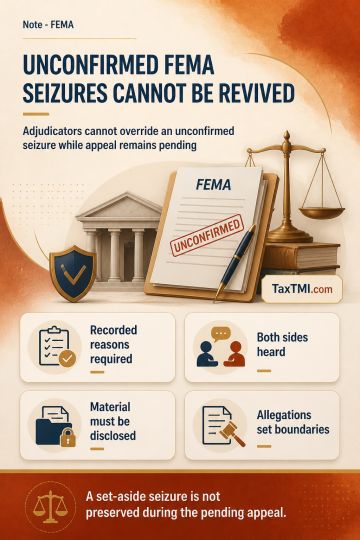
Non-confirmation of FEMA seizure prevents adjudicators from overriding pending appellate findings on recorded reasons and suspected foreign asset hold...
The CESTAT set aside the Commissioner's order rejecting the conversion of 1767 shipping bills from the drawback scheme to the DFIA scheme on the ground of time limitation. It held that Section 149 of the Customs Act does not prescribe any specific time limit for conversion requests, and the three-year limitation under Article 137 or Section 29(2) is inapplicable to such proceedings before a quasi-judicial authority. The Tribunal emphasized that conversion based on documentary evidence post-export is permissible without imposing a time bar. Consequently, the conversion requests were held valid, and the bills were allowed to be converted subject to the appellant reversing the duty drawback with applicable interest within three months. The appeal was allowed, rendering the rejection order legally unsustainable.
The CESTAT set aside the Commissioner's order rejecting the conversion of 1767 shipping bills from the drawback scheme to the DFIA scheme on the ground of time limitation. It held that Section 149 of the Customs Act does not prescribe any specific time limit for conversion requests, and the three-year limitation under Article 137 or Section 29(2) is inapplicable to such proceedings before a quasi-judicial authority. The Tribunal emphasized that conversion based on documentary evidence post-export is permissible without imposing a time bar. Consequently, the conversion requests were held valid, and the bills were allowed to be converted subject to the appellant reversing the duty drawback with applicable interest within three months. The appeal was allowed, rendering the rejection order legally unsustainable.
Note: It is a system-generated summary and is for quick reference only.
 TaxTMI
  TaxTMI