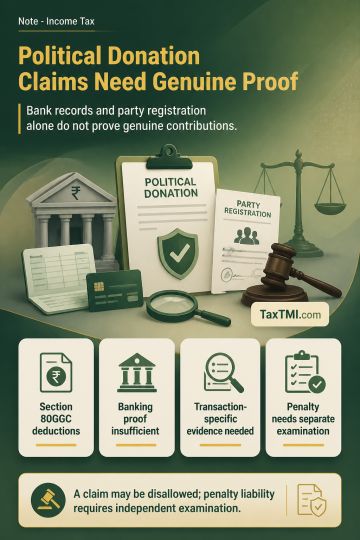
Political contribution deductions require genuine transactions; banking records and party registration alone cannot defeat evidence of accommodation e...
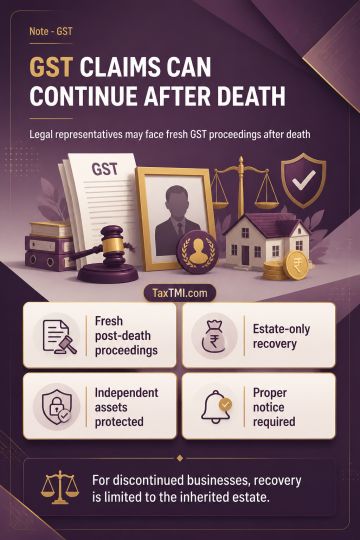
Post-death GST liability permits fresh proceedings against legal representatives, while discontinued-business recovery remains limited to the inherite...
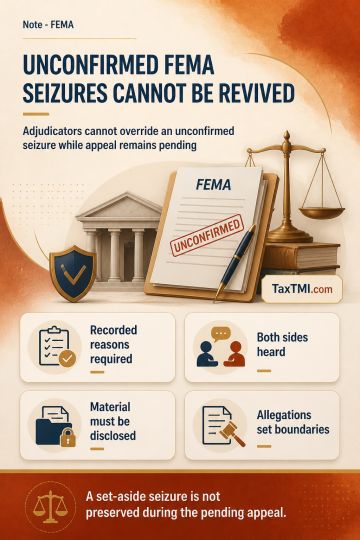
Non-confirmation of FEMA seizure prevents adjudicators from overriding pending appellate findings on recorded reasons and suspected foreign asset hold...
The HC upheld the dismissal of the complaint under Section 138 of the N.I. Act, affirming that the accused successfully discharged the statutory presumption of liability by adducing evidence rebutting the existence of a legally enforceable debt. Although the signatures on the cheques were admitted, the accused demonstrated that the cheques dated December 2016 were backdated, having been originally issued in 2012 and 2014, corroborated by the provenance of the cheque leaflets. The complainant failed to prove the alleged receipt or undertaking and neglected to produce key oral evidence supporting the loan's existence. Consequently, the court found no enforceable debt or liability, validating the magistrate's conclusion that the accused met the burden of proof to negate the presumption under Sections 139 and 118 of the N.I. Act. The appeal was dismissed, confirming the complaint's rejection.
The HC upheld the dismissal of the complaint under Section 138 of the N.I. Act, affirming that the accused successfully discharged the statutory presumption of liability by adducing evidence rebutting the existence of a legally enforceable debt. Although the signatures on the cheques were admitted, the accused demonstrated that the cheques dated December 2016 were backdated, having been originally issued in 2012 and 2014, corroborated by the provenance of the cheque leaflets. The complainant failed to prove the alleged receipt or undertaking and neglected to produce key oral evidence supporting the loan's existence. Consequently, the court found no enforceable debt or liability, validating the magistrate's conclusion that the accused met the burden of proof to negate the presumption under Sections 139 and 118 of the N.I. Act. The appeal was dismissed, confirming the complaint's rejection.
Note: It is a system-generated summary and is for quick reference only.
 TaxTMI
  TaxTMI