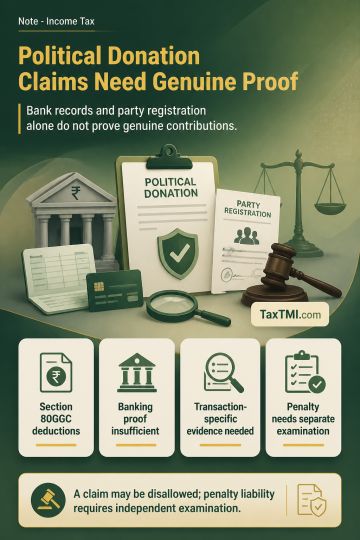
Political contribution deductions require genuine transactions; banking records and party registration alone cannot defeat evidence of accommodation e...
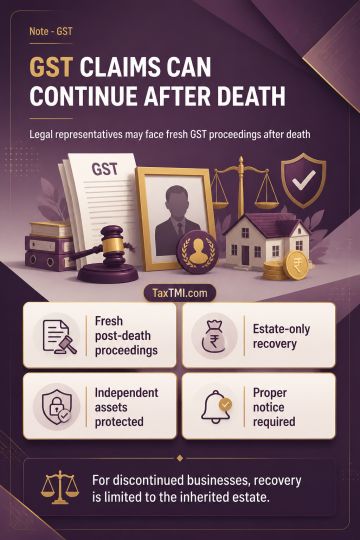
Post-death GST liability permits fresh proceedings against legal representatives, while discontinued-business recovery remains limited to the inherite...
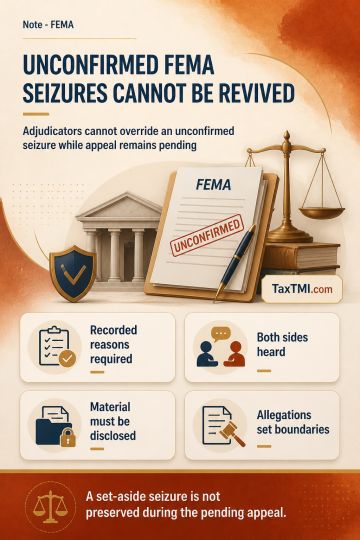
Non-confirmation of FEMA seizure prevents adjudicators from overriding pending appellate findings on recorded reasons and suspected foreign asset hold...
The HC dismissed the writ petition for lack of maintainability, holding that the petitioner lacked locus standi to invoke Article 226 jurisdiction. Although the petitioner filed complaints leading to notices by GST and Income Tax authorities, no personal legal injury or infringement of rights was demonstrated. The Court emphasized that Article 226 jurisdiction requires the petitioner to have a personal or individual right affected, except in habeas corpus or quo warranto petitions. Since the petitioner neither suffered legal grievance nor was aggrieved by official inaction, he could not claim to be a person aggrieved entitled to seek mandamus. Consequently, the petition was dismissed as not maintainable for failure to establish a vested right or personal harm.
The HC dismissed the writ petition for lack of maintainability, holding that the petitioner lacked locus standi to invoke Article 226 jurisdiction. Although the petitioner filed complaints leading to notices by GST and Income Tax authorities, no personal legal injury or infringement of rights was demonstrated. The Court emphasized that Article 226 jurisdiction requires the petitioner to have a personal or individual right affected, except in habeas corpus or quo warranto petitions. Since the petitioner neither suffered legal grievance nor was aggrieved by official inaction, he could not claim to be a person aggrieved entitled to seek mandamus. Consequently, the petition was dismissed as not maintainable for failure to establish a vested right or personal harm.
Note: It is a system-generated summary and is for quick reference only.
 TaxTMI
  TaxTMI