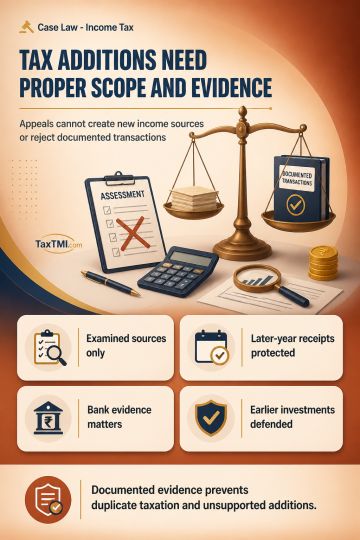
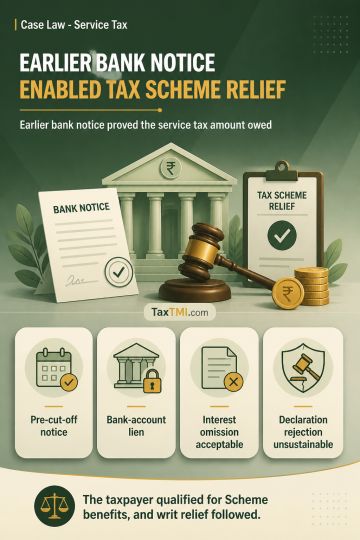
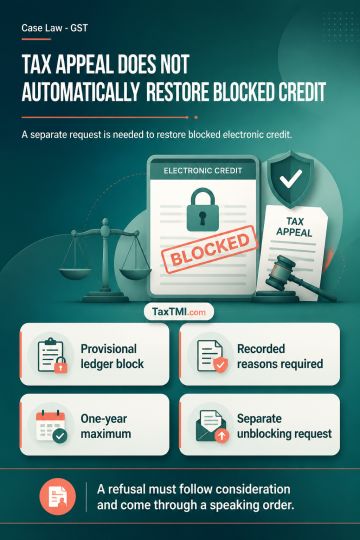
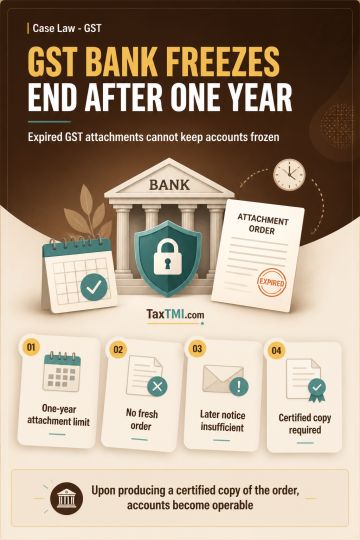
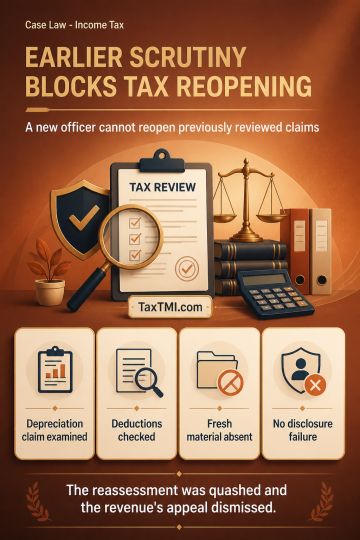
Appellate enhancement limits protect against new income sources, while documented credits and prior-year investments resist unexplained-income additio...
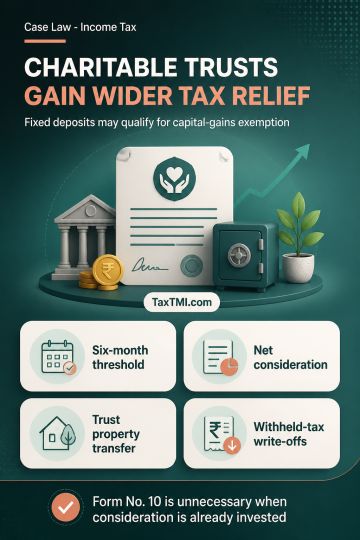
Capital-gains exemption for charitable trusts extends to qualifying fixed deposits, while unrecoverable TDS write-offs may constitute income applicati...
Page of 4868
Press 'Enter' after typing page number.
1 to 20 of 97344 Results
❮
❯
❯❯
0 / 200
Expand Note
Add to Folder
No Folders have been created
+
Are you sure you want to delete "My most important" ?
The AAR held that icing sugar, being finely pulverized refined sucrose with added edible starch as an anti-caking agent, is properly classified under HSN code 1701, specifically 17019990, which covers cane or beet sugar and chemically pure sucrose in solid form. The product does not fall under HSN 1702, which pertains to chemically pure sugars such as lactose or glucose. Consequently, icing sugar is subject to the GST rate applicable to sugar under Schedule II of the relevant rate notification, attracting 6% CGST, 6% SGST, and 12% IGST. The ruling clarifies that the presence of starch as an additive does not alter the classification, affirming the applicability of the lower GST rate consistent with sugar rather than higher rates for other chemically pure sugars.
The AAR held that icing sugar, being finely pulverized refined sucrose with added edible starch as an anti-caking agent, is properly classified under HSN code 1701, specifically 17019990, which covers cane or beet sugar and chemically pure sucrose in solid form. The product does not fall under HSN 1702, which pertains to chemically pure sugars such as lactose or glucose. Consequently, icing sugar is subject to the GST rate applicable to sugar under Schedule II of the relevant rate notification, attracting 6% CGST, 6% SGST, and 12% IGST. The ruling clarifies that the presence of starch as an additive does not alter the classification, affirming the applicability of the lower GST rate consistent with sugar rather than higher rates for other chemically pure sugars.
Note: It is a system-generated summary and is for quick reference only.
 TaxTMI
  TaxTMI