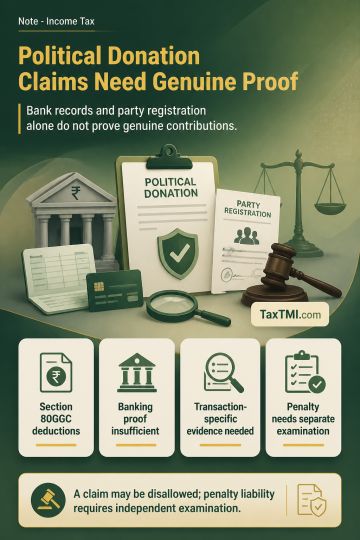
Political contribution deductions require genuine transactions; banking records and party registration alone cannot defeat evidence of accommodation e...
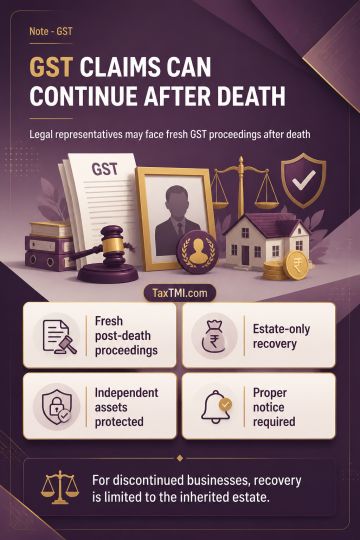
Post-death GST liability permits fresh proceedings against legal representatives, while discontinued-business recovery remains limited to the inherite...
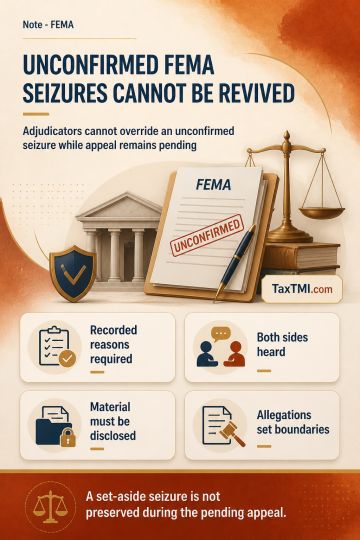
Non-confirmation of FEMA seizure prevents adjudicators from overriding pending appellate findings on recorded reasons and suspected foreign asset hold...
HC allowed assessee's appeal against penalty under Section 271(1)(c) of the Income Tax Act. The assessee claimed deduction for crystallized liability towards additional bonus, which was subsequently disallowed under Section 43B as payment was made in the following accounting year. The court held that neither concealment of income particulars nor furnishing inaccurate particulars were established. The assessee's claim was bona fide and plausible, based on crystallized future liability, not a false statement. The disallowance was due to timing provisions under Section 43B, not mala fide concealment. The court distinguished this from cases involving false claims, emphasizing that raising a legally plausible claim, even if ultimately unsustainable, cannot attract penalty provisions. Essential ingredients of Section 271(1)(c) were not satisfied.
HC allowed assessee's appeal against penalty under Section 271(1)(c) of the Income Tax Act. The assessee claimed deduction for crystallized liability towards additional bonus, which was subsequently disallowed under Section 43B as payment was made in the following accounting year. The court held that neither concealment of income particulars nor furnishing inaccurate particulars were established. The assessee's claim was bona fide and plausible, based on crystallized future liability, not a false statement. The disallowance was due to timing provisions under Section 43B, not mala fide concealment. The court distinguished this from cases involving false claims, emphasizing that raising a legally plausible claim, even if ultimately unsustainable, cannot attract penalty provisions. Essential ingredients of Section 271(1)(c) were not satisfied.
Note: It is a system-generated summary and is for quick reference only.
 TaxTMI
  TaxTMI