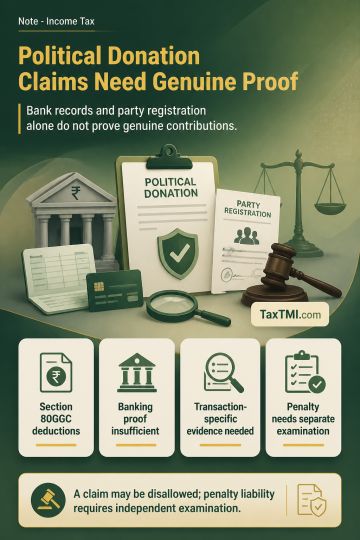
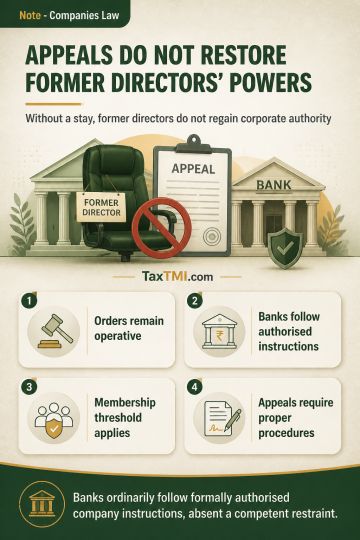
Political contribution deductions require genuine transactions; banking records and party registration alone cannot defeat evidence of accommodation e...
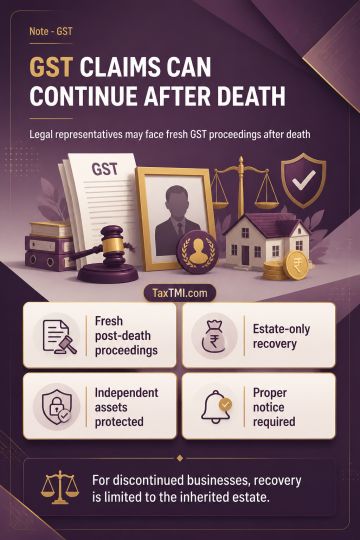
Post-death GST liability permits fresh proceedings against legal representatives, while discontinued-business recovery remains limited to the inherite...
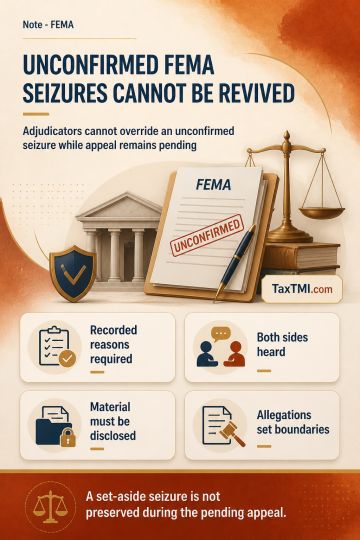
Non-confirmation of FEMA seizure prevents adjudicators from overriding pending appellate findings on recorded reasons and suspected foreign asset hold...
ITAT determined a deemed dividend under Section 2(22)(e) involving inter-corporate loans/advances between related companies. The tribunal distinguished between loan and deposit transactions, emphasizing essential legal characteristics. Critically, the assessee failed to provide substantive evidence supporting the transaction's nature as an inter-corporate deposit (ICD). Key findings included absence of interest expense documentation, lack of tax deducted at source (TDS) details, and no comprehensive repayment records. The transaction's routing through an intermediary company raised significant credibility concerns. Ultimately, the tribunal concluded the advance primarily benefited the assessee's investment, thereby dismissing the appeal and confirming the deemed dividend treatment.
ITAT determined a deemed dividend under Section 2(22)(e) involving inter-corporate loans/advances between related companies. The tribunal distinguished between loan and deposit transactions, emphasizing essential legal characteristics. Critically, the assessee failed to provide substantive evidence supporting the transaction's nature as an inter-corporate deposit (ICD). Key findings included absence of interest expense documentation, lack of tax deducted at source (TDS) details, and no comprehensive repayment records. The transaction's routing through an intermediary company raised significant credibility concerns. Ultimately, the tribunal concluded the advance primarily benefited the assessee's investment, thereby dismissing the appeal and confirming the deemed dividend treatment.
Note: It is a system-generated summary and is for quick reference only.
 TaxTMI
  TaxTMI