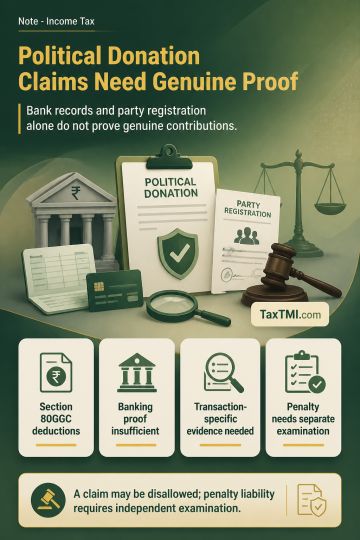
Political contribution deductions require genuine transactions; banking records and party registration alone cannot defeat evidence of accommodation e...
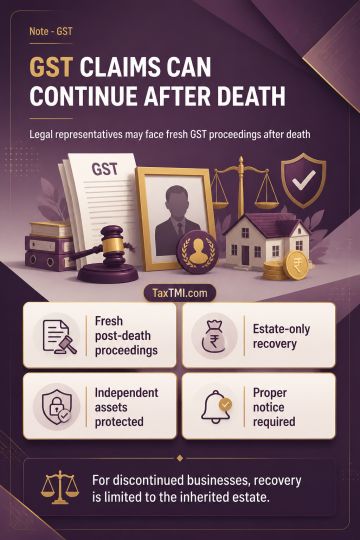
Post-death GST liability permits fresh proceedings against legal representatives, while discontinued-business recovery remains limited to the inherite...
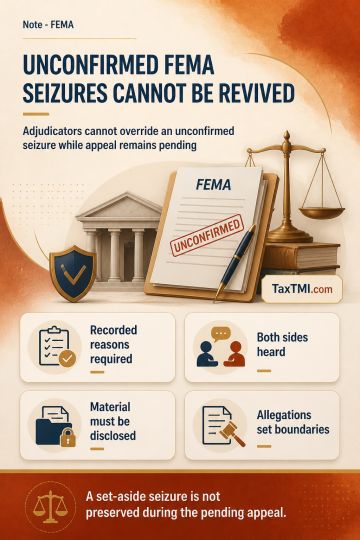
Non-confirmation of FEMA seizure prevents adjudicators from overriding pending appellate findings on recorded reasons and suspected foreign asset hold...
ITAT adjudicated two primary issues: IPO expenditure and excise duty subsidy classification. On IPO expenditure, the tribunal allowed 92% as revenue expenditure under section 35D, permitting capital portion of share issue expenses. Regarding excise duty subsidy, the tribunal determined the receipt as capital in nature, not taxable, based on legislative intent and judicial precedents. The tribunal rejected revenue's contention, holding that absence of explicit "exemption" terminology in Section 2(24)(xviii) precludes treating the subsidy as revenue receipt. Consequently, the excise duty exemption was classified as capital receipt for Assessment Year 2016-17, not chargeable to tax, and excluded from Minimum Alternate Tax (MAT) computation under Section 115JB.
ITAT adjudicated two primary issues: IPO expenditure and excise duty subsidy classification. On IPO expenditure, the tribunal allowed 92% as revenue expenditure under section 35D, permitting capital portion of share issue expenses. Regarding excise duty subsidy, the tribunal determined the receipt as capital in nature, not taxable, based on legislative intent and judicial precedents. The tribunal rejected revenue's contention, holding that absence of explicit "exemption" terminology in Section 2(24)(xviii) precludes treating the subsidy as revenue receipt. Consequently, the excise duty exemption was classified as capital receipt for Assessment Year 2016-17, not chargeable to tax, and excluded from Minimum Alternate Tax (MAT) computation under Section 115JB.
Note: It is a system-generated summary and is for quick reference only.
 TaxTMI
  TaxTMI