Political contribution deductions require genuine transactions; banking records and party registration alone cannot defeat evidence of accommodation e...
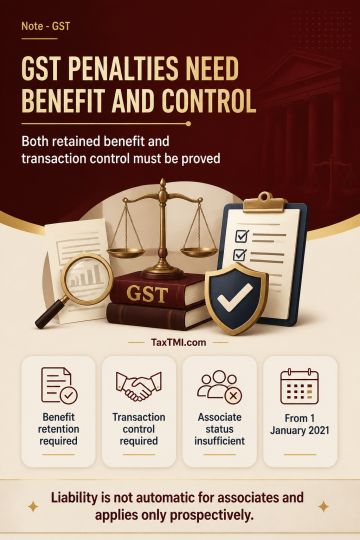
Post-death GST liability permits fresh proceedings against legal representatives, while discontinued-business recovery remains limited to the inherite...
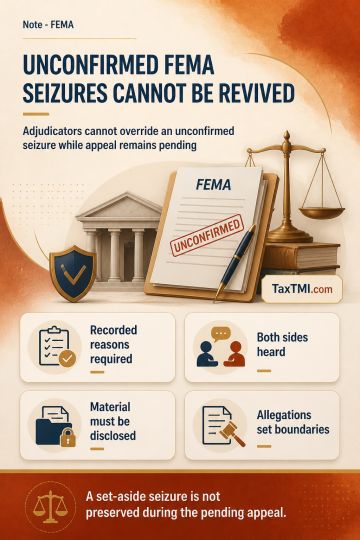
Non-confirmation of FEMA seizure prevents adjudicators from overriding pending appellate findings on recorded reasons and suspected foreign asset hold...
ITAT held that the CIT(A)'s ex parte order dismissing the assessee's appeal without adjudicating merits violates Section 250(6). The appellate order lacks substantive reasoning and fails to address the core issues. While the assessee's non-compliance with notices contributed to the procedural lapse, the CIT(A)'s order is unsustainable. The tribunal set aside the order and remanded the matter back to CIT(A) for fresh adjudication, directing a comprehensive review of the appeal on merits after providing opportunities to both parties. The assessee's appeal was allowed for statistical purposes, mandating a de novo examination of the underlying tax dispute.
ITAT held that the CIT(A)'s ex parte order dismissing the assessee's appeal without adjudicating merits violates Section 250(6). The appellate order lacks substantive reasoning and fails to address the core issues. While the assessee's non-compliance with notices contributed to the procedural lapse, the CIT(A)'s order is unsustainable. The tribunal set aside the order and remanded the matter back to CIT(A) for fresh adjudication, directing a comprehensive review of the appeal on merits after providing opportunities to both parties. The assessee's appeal was allowed for statistical purposes, mandating a de novo examination of the underlying tax dispute.
Note: It is a system-generated summary and is for quick reference only.
 TaxTMI
  TaxTMI