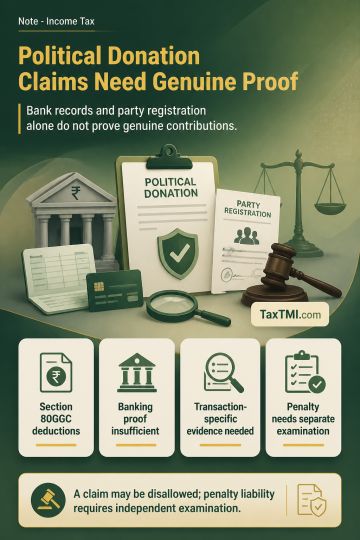
Political contribution deductions require genuine transactions; banking records and party registration alone cannot defeat evidence of accommodation e...
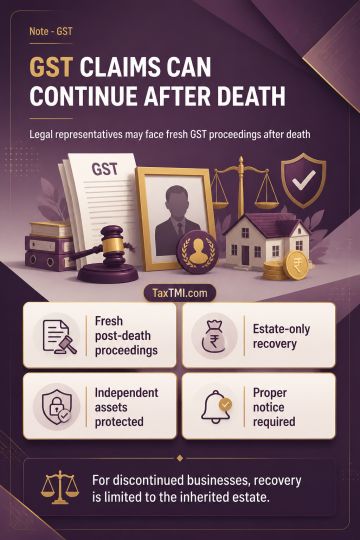
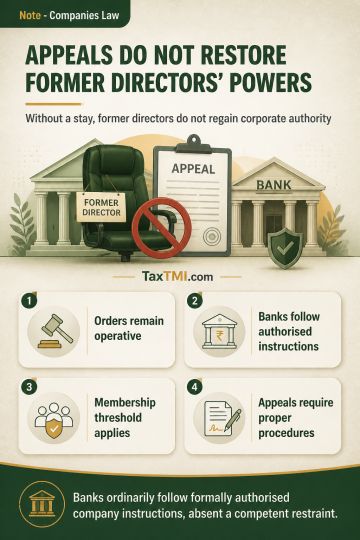
Post-death GST liability permits fresh proceedings against legal representatives, while discontinued-business recovery remains limited to the inherite...
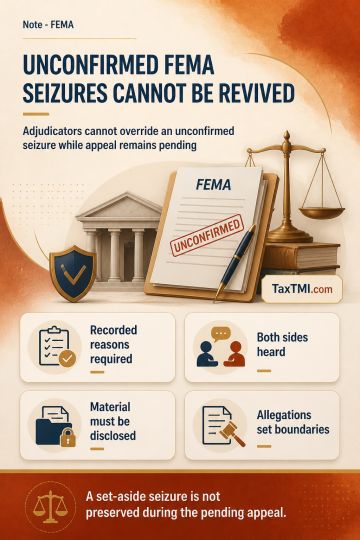
Non-confirmation of FEMA seizure prevents adjudicators from overriding pending appellate findings on recorded reasons and suspected foreign asset hold...
HC held that the Assessing Officer's disallowance of entire purchases as bogus was justified. The Tribunal erred by estimating only 3% of purchases as bogus, contradicting established legal precedents. The Assessee's lack of cooperation and failure to produce critical transactional documentation substantiated the revenue's claim. Relying on previous judicial decisions in similar cases, the HC reversed the appellate authorities' orders. The court determined that the non-production of essential documents undermined the Assessee's credibility. Consequently, the HC restored the original assessment order, answering questions of law in favor of the Revenue and against the Assessee.
HC held that the Assessing Officer's disallowance of entire purchases as bogus was justified. The Tribunal erred by estimating only 3% of purchases as bogus, contradicting established legal precedents. The Assessee's lack of cooperation and failure to produce critical transactional documentation substantiated the revenue's claim. Relying on previous judicial decisions in similar cases, the HC reversed the appellate authorities' orders. The court determined that the non-production of essential documents undermined the Assessee's credibility. Consequently, the HC restored the original assessment order, answering questions of law in favor of the Revenue and against the Assessee.
Note: It is a system-generated summary and is for quick reference only.
 TaxTMI
  TaxTMI