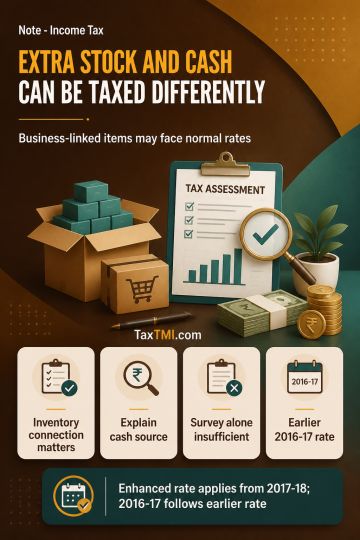
Survey surrender characterisation determines whether mixed excess stock and business-linked cash face normal taxation or special deemed-income taxatio...
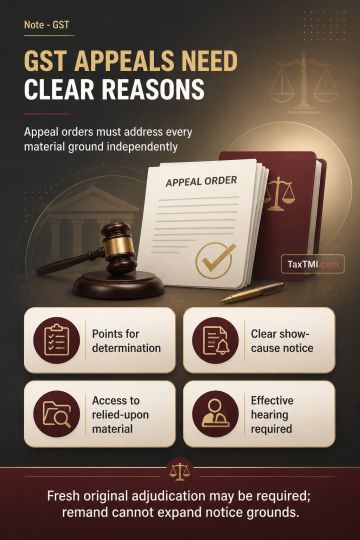
The HC held that the Show Cause Notice (SCN) was invalidly issued as it merely alleged wrongful refund claims without substantiating fraud or misrepresentation. Following precedents in Parity Infotech and HCL Infotech Ltd., the Court determined that invoking the extended limitation period under Section 74 requires specific allegations of fraud, misstatement, or suppression of facts, not merely mechanical reproduction of statutory language. The Court found the SCN was issued as a circuitous means to avoid consequences from previous litigation between the parties, and that refund claims cannot be legitimately stalled through such tactics. The petition was accordingly disposed of in the petitioner's favor.
The HC held that the Show Cause Notice (SCN) was invalidly issued as it merely alleged wrongful refund claims without substantiating fraud or misrepresentation. Following precedents in Parity Infotech and HCL Infotech Ltd., the Court determined that invoking the extended limitation period under Section 74 requires specific allegations of fraud, misstatement, or suppression of facts, not merely mechanical reproduction of statutory language. The Court found the SCN was issued as a circuitous means to avoid consequences from previous litigation between the parties, and that refund claims cannot be legitimately stalled through such tactics. The petition was accordingly disposed of in the petitioner's favor.
Note: It is a system-generated summary and is for quick reference only.
 TaxTMI
  TaxTMI