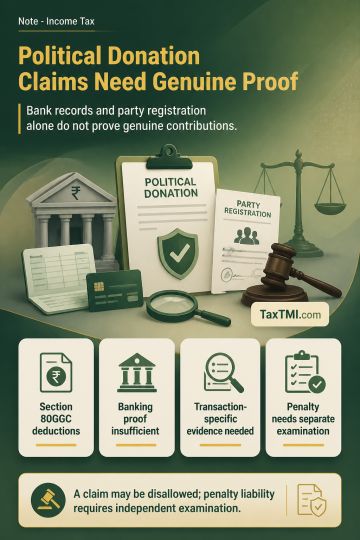
Political contribution deductions require genuine transactions; banking records and party registration alone cannot defeat evidence of accommodation e...
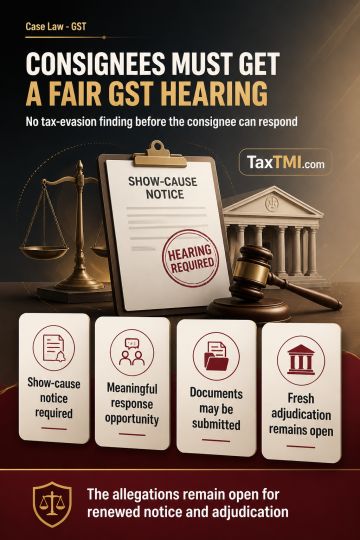
Post-death GST liability permits fresh proceedings against legal representatives, while discontinued-business recovery remains limited to the inherite...
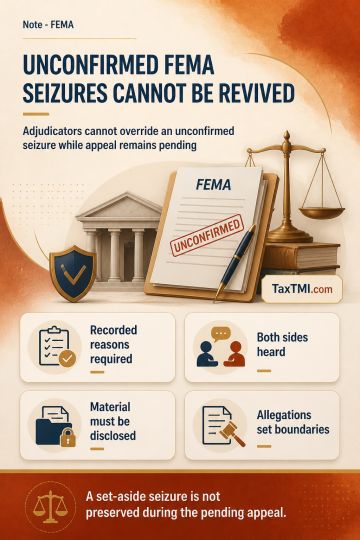
Non-confirmation of FEMA seizure prevents adjudicators from overriding pending appellate findings on recorded reasons and suspected foreign asset hold...
The HC held that the 60-day limitation period under Section 62(2) of the GST Act is directory rather than mandatory. Where a registered person fails to file returns within the prescribed timeframe, resulting in best judgment assessment orders, the right to file returns cannot be denied merely because the 60-day period has elapsed. If the taxpayer demonstrates valid reasons beyond their control for the delay, such delay can be condoned upon application. The petitioner was directed to file a delay condonation application within 15 days, which the second respondent must consider on merits before permitting revised returns. The petition was accordingly disposed of.
The HC held that the 60-day limitation period under Section 62(2) of the GST Act is directory rather than mandatory. Where a registered person fails to file returns within the prescribed timeframe, resulting in best judgment assessment orders, the right to file returns cannot be denied merely because the 60-day period has elapsed. If the taxpayer demonstrates valid reasons beyond their control for the delay, such delay can be condoned upon application. The petitioner was directed to file a delay condonation application within 15 days, which the second respondent must consider on merits before permitting revised returns. The petition was accordingly disposed of.
Note: It is a system-generated summary and is for quick reference only.
 TaxTMI
  TaxTMI