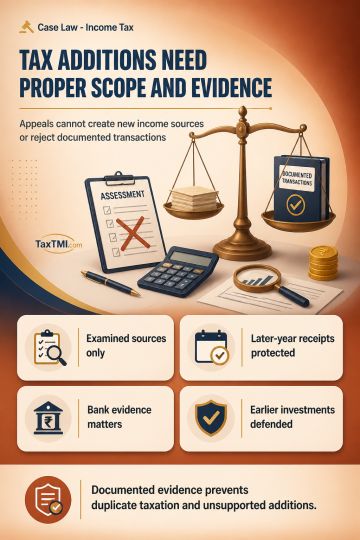
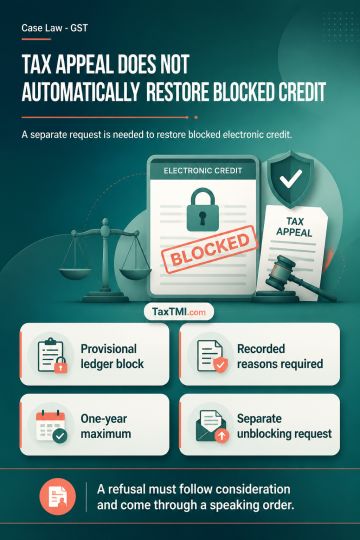
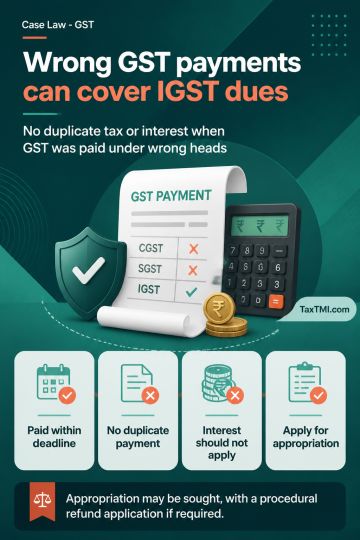
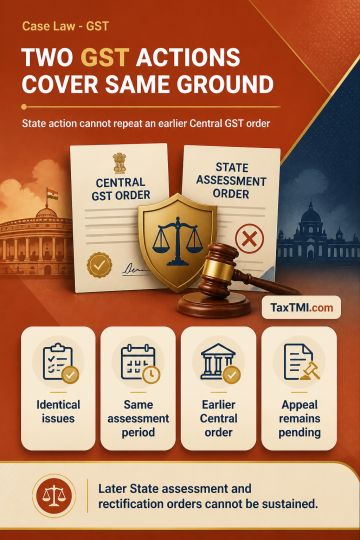
Appellate enhancement limits protect against new income sources, while documented credits and prior-year investments resist unexplained-income additio...
Capital-gains exemption for charitable trusts extends to qualifying fixed deposits, while unrecoverable TDS write-offs may constitute income applicati...
Page of 4868
Press 'Enter' after typing page number.
1 to 20 of 97344 Results
❮
❯
❯❯
0 / 200
Expand Note
Add to Folder
No Folders have been created
+
Are you sure you want to delete "My most important" ?
The HC dismissed a challenge to detention and penalty order, affirming that carrying an e-way bill is mandatory for goods movement after the 14th Amendment to UP GST Rules effective April 1, 2018. The Court relied on precedents establishing that absence of an e-way bill creates a rebuttable presumption of tax evasion. In this case, the petitioner generated the e-way bill three hours after interception, was not conducting business at the registered address, had registration cancelled suo moto, and misrepresented goods (declaring items taxable at 5% when they were actually taxable at 18%). These facts demonstrated clear intent to evade tax, justifying the detention and penalty.
The HC dismissed a challenge to detention and penalty order, affirming that carrying an e-way bill is mandatory for goods movement after the 14th Amendment to UP GST Rules effective April 1, 2018. The Court relied on precedents establishing that absence of an e-way bill creates a rebuttable presumption of tax evasion. In this case, the petitioner generated the e-way bill three hours after interception, was not conducting business at the registered address, had registration cancelled suo moto, and misrepresented goods (declaring items taxable at 5% when they were actually taxable at 18%). These facts demonstrated clear intent to evade tax, justifying the detention and penalty.
Note: It is a system-generated summary and is for quick reference only.
 TaxTMI
  TaxTMI