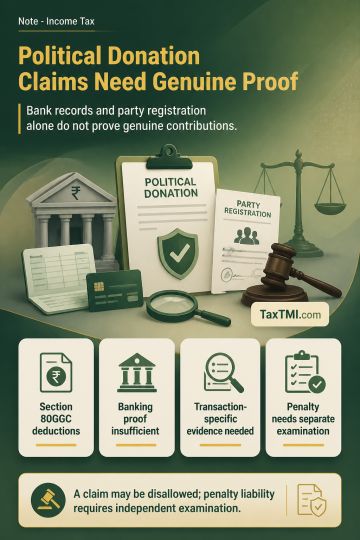
Political contribution deductions require genuine transactions; banking records and party registration alone cannot defeat evidence of accommodation e...
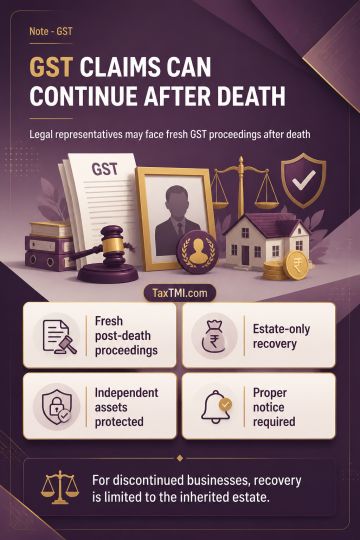
Post-death GST liability permits fresh proceedings against legal representatives, while discontinued-business recovery remains limited to the inherite...
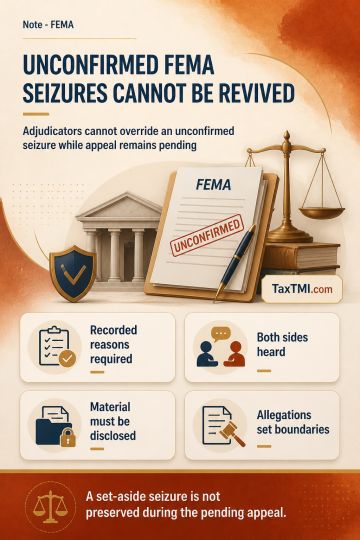
Non-confirmation of FEMA seizure prevents adjudicators from overriding pending appellate findings on recorded reasons and suspected foreign asset hold...
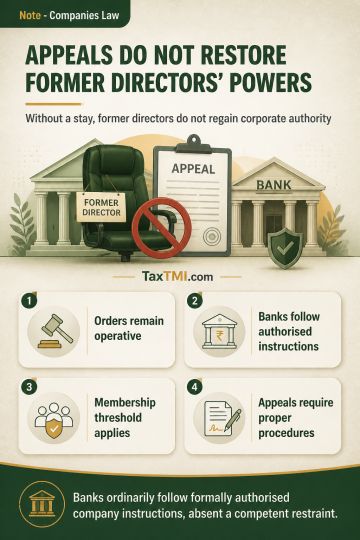
SC held that a non-executive director cannot be held vicariously liable under Section 141 of NI Act for dishonored cheques where he had resigned prior to the offense and was not actively involved in company operations. Court emphasized that mere directorship designation is insufficient to establish liability - specific allegations of active involvement in company affairs are required. Evidence showed appellant was neither a cheque signatory nor involved in financial decisions, having resigned as independent non-executive director with proper ROC notifications. Given his limited role without financial or operational responsibilities, the complaints failed to meet legal requirements for vicarious liability. Appeal allowed, setting aside HC's judgment.
SC held that a non-executive director cannot be held vicariously liable under Section 141 of NI Act for dishonored cheques where he had resigned prior to the offense and was not actively involved in company operations. Court emphasized that mere directorship designation is insufficient to establish liability - specific allegations of active involvement in company affairs are required. Evidence showed appellant was neither a cheque signatory nor involved in financial decisions, having resigned as independent non-executive director with proper ROC notifications. Given his limited role without financial or operational responsibilities, the complaints failed to meet legal requirements for vicarious liability. Appeal allowed, setting aside HC's judgment.
Note: It is a system-generated summary and is for quick reference only.
 TaxTMI
  TaxTMI