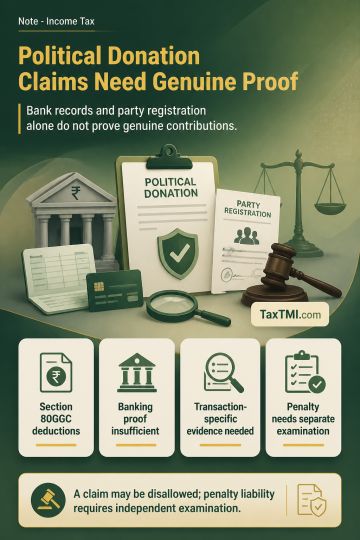
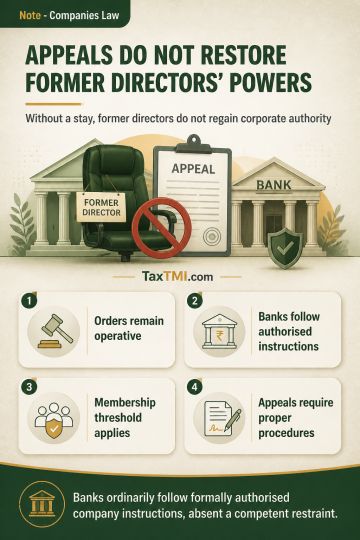
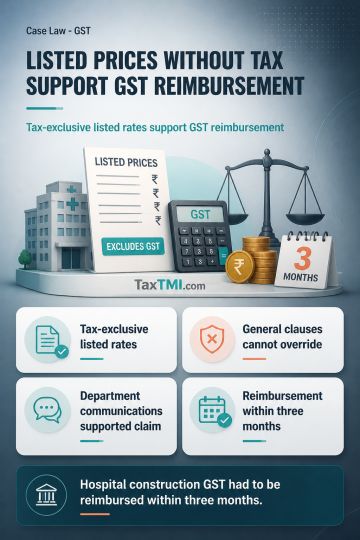
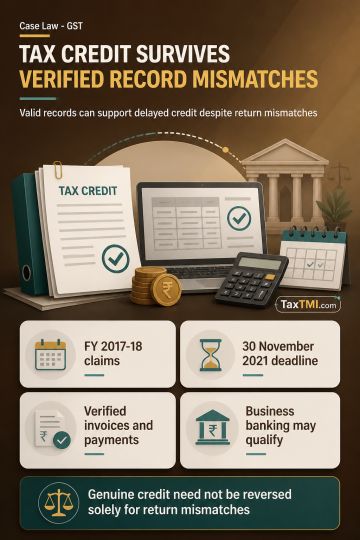
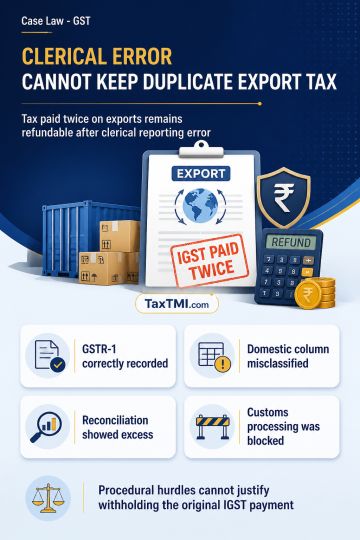
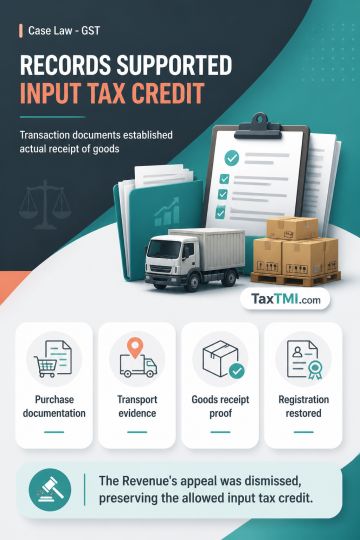
Political contribution deductions require genuine transactions; banking records and party registration alone cannot defeat evidence of accommodation e...
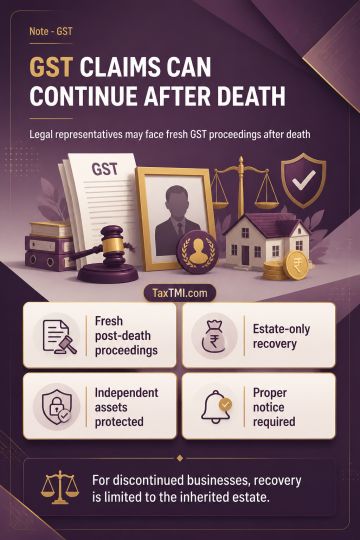
Post-death GST liability permits fresh proceedings against legal representatives, while discontinued-business recovery remains limited to the inherite...
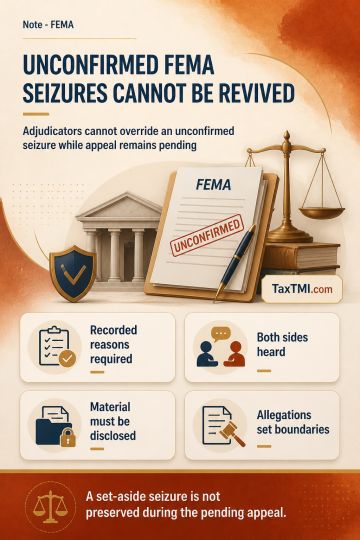
Non-confirmation of FEMA seizure prevents adjudicators from overriding pending appellate findings on recorded reasons and suspected foreign asset hold...
The HC granted bail to the accused petitioner who was charged with creating fake firms, issuing invoices, and passing on input tax credit in violation of Section 132 of the Central Goods and Service Tax Act, 2017. The HC found that the prosecution heavily relied on statements recorded u/s 70, but failed to include those individuals as witnesses, depriving the accused of the right to cross-examine. Additionally, despite filing the complaint, the Department could not determine the amount of input tax credit claimed by beneficiaries after over a year of investigation. The HC noted that once a complaint is filed, no further evidence can be used against the accused. Considering the maximum punishment of five years and the accused's custody of five months, the HC allowed the bail application subject to conditions.
The HC granted bail to the accused petitioner who was charged with creating fake firms, issuing invoices, and passing on input tax credit in violation of Section 132 of the Central Goods and Service Tax Act, 2017. The HC found that the prosecution heavily relied on statements recorded u/s 70, but failed to include those individuals as witnesses, depriving the accused of the right to cross-examine. Additionally, despite filing the complaint, the Department could not determine the amount of input tax credit claimed by beneficiaries after over a year of investigation. The HC noted that once a complaint is filed, no further evidence can be used against the accused. Considering the maximum punishment of five years and the accused's custody of five months, the HC allowed the bail application subject to conditions.
Note: It is a system-generated summary and is for quick reference only.
 TaxTMI
  TaxTMI