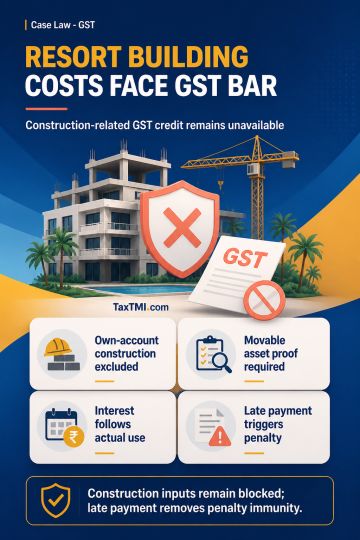
Blocked input tax credit for resort construction remains unavailable; interest follows actual utilisation, while delayed payment attracts statutory pe...
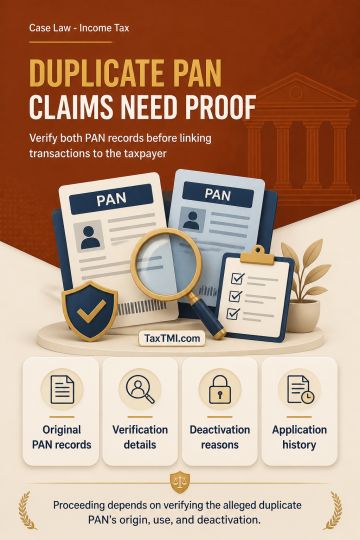
Duplicate PAN allocation requires record verification and deactivation reasons before assessment-related transactions can be attributed to an assessee...
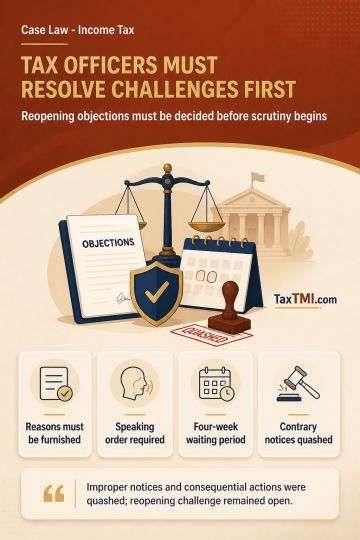
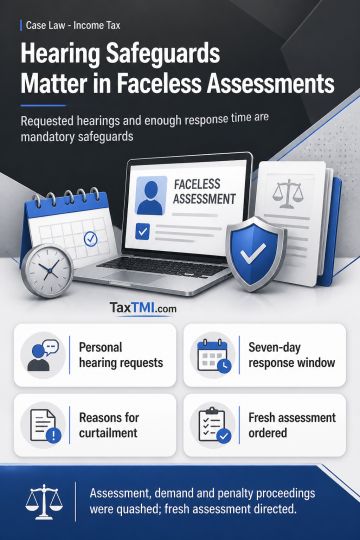
Faceless assessment safeguards require requested personal hearings and adequate final show-cause response time, failing which reassessment is required...
This legal case pertains to the dishonor of a cheque and the presumption of innocence. The High Court held that the First Appellate Court erred in acquitting the accused solely on the ground that repeated presentation of the cheque and issuance of notice are not permissible. It cited a Supreme Court precedent allowing repeated presentation and successive notices, as long as the requirements u/s 138 of the Negotiable Instruments Act are satisfied. The High Court set aside the acquittal and remitted the matter to the First Appellate Court for fresh disposal, as the accused had no opportunity to get findings on other grounds raised before the First Appellate Court. The scope of appeal against conviction is wider than against acquittal, necessitating a fresh consideration by the lower court.
This legal case pertains to the dishonor of a cheque and the presumption of innocence. The High Court held that the First Appellate Court erred in acquitting the accused solely on the ground that repeated presentation of the cheque and issuance of notice are not permissible. It cited a Supreme Court precedent allowing repeated presentation and successive notices, as long as the requirements u/s 138 of the Negotiable Instruments Act are satisfied. The High Court set aside the acquittal and remitted the matter to the First Appellate Court for fresh disposal, as the accused had no opportunity to get findings on other grounds raised before the First Appellate Court. The scope of appeal against conviction is wider than against acquittal, necessitating a fresh consideration by the lower court.
Note: It is a system-generated summary and is for quick reference only.
 TaxTMI
  TaxTMI