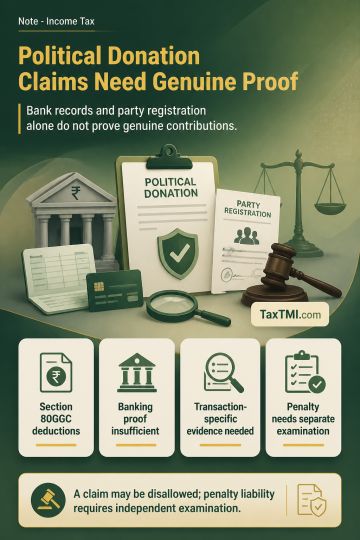
Political contribution deductions require genuine transactions; banking records and party registration alone cannot defeat evidence of accommodation e...
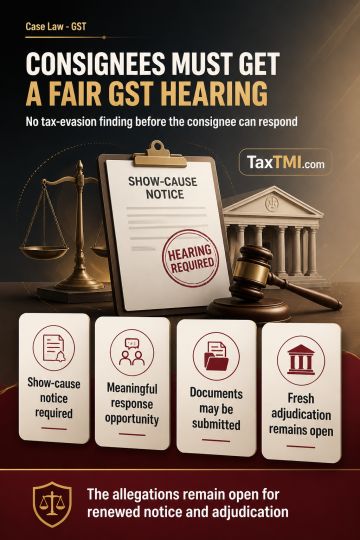
Post-death GST liability permits fresh proceedings against legal representatives, while discontinued-business recovery remains limited to the inherite...
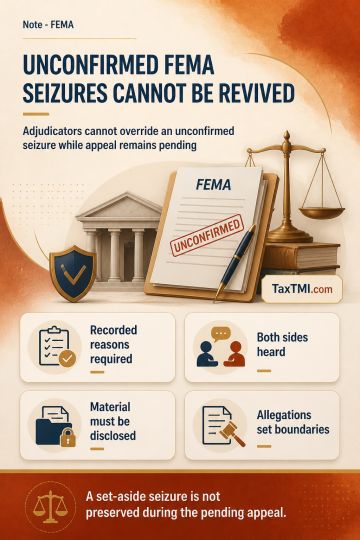
Non-confirmation of FEMA seizure prevents adjudicators from overriding pending appellate findings on recorded reasons and suspected foreign asset hold...
Money laundering offences encompass various processes and activities related to dealing with proceeds of crime, directly or indirectly, beyond just the final act of integration into the formal economy. Mere possession of proceeds of crime is sufficient to invoke the Prevention of Money Laundering Act (PMLA). Section 3 has a wider scope, covering various circumstances to curb economic offences. Section 24 places the burden of proof on the accused, who must prove their innocence during trial unless the contrary is established. The authorities' presumptions, investigations, and collected documents are sufficient to proceed under PMLA. The High Court upheld the Trial Court's rejection of the discharge petition, finding no infirmity or perversity in its opinion that the petitioner failed to make out a prima facie case for discharge.
Money laundering offences encompass various processes and activities related to dealing with proceeds of crime, directly or indirectly, beyond just the final act of integration into the formal economy. Mere possession of proceeds of crime is sufficient to invoke the Prevention of Money Laundering Act (PMLA). Section 3 has a wider scope, covering various circumstances to curb economic offences. Section 24 places the burden of proof on the accused, who must prove their innocence during trial unless the contrary is established. The authorities' presumptions, investigations, and collected documents are sufficient to proceed under PMLA. The High Court upheld the Trial Court's rejection of the discharge petition, finding no infirmity or perversity in its opinion that the petitioner failed to make out a prima facie case for discharge.
Note: It is a system-generated summary and is for quick reference only.
 TaxTMI
  TaxTMI