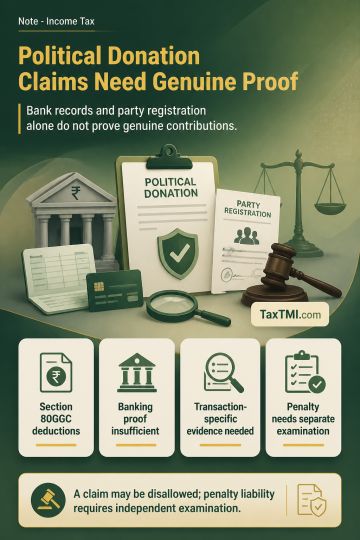
Political contribution deductions require genuine transactions; banking records and party registration alone cannot defeat evidence of accommodation e...
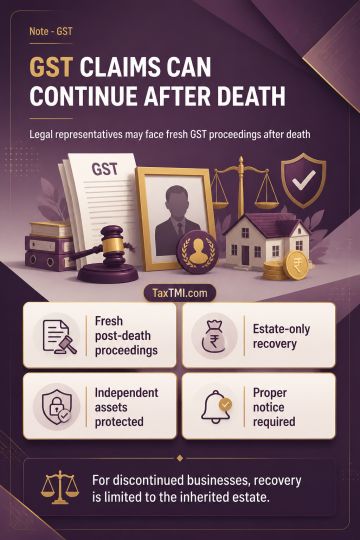
Post-death GST liability permits fresh proceedings against legal representatives, while discontinued-business recovery remains limited to the inherite...
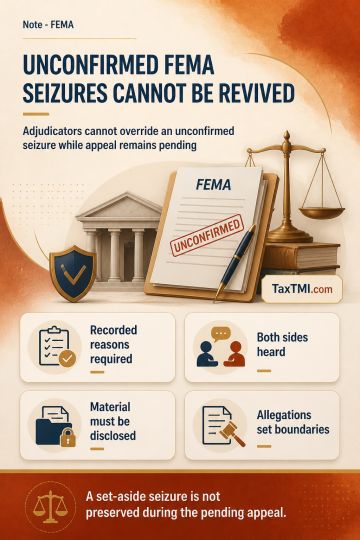
Non-confirmation of FEMA seizure prevents adjudicators from overriding pending appellate findings on recorded reasons and suspected foreign asset hold...
The key issue relates to the classification of the cost of silt as capital or revenue expenditure. The Assessing Officer (AO) treated it as capital expenditure and disallowed it, while the assessee claimed it as revenue expenditure. The assessee's contention is that the cost of filling pits with silt, a byproduct of stone extraction, is a recurring activity and hence a revenue expenditure. The CIT(A) agreed that the assessee utilized existing silt without purchasing new material, making it a revenue expenditure. The assessee valued the stock as per accepted trade practices and accounting standards, without any mala fide intention. Relying on relevant judicial precedents, the ITAT allowed the assessee's grounds, treating the cost of silt as revenue expenditure.
The key issue relates to the classification of the cost of silt as capital or revenue expenditure. The Assessing Officer (AO) treated it as capital expenditure and disallowed it, while the assessee claimed it as revenue expenditure. The assessee's contention is that the cost of filling pits with silt, a byproduct of stone extraction, is a recurring activity and hence a revenue expenditure. The CIT(A) agreed that the assessee utilized existing silt without purchasing new material, making it a revenue expenditure. The assessee valued the stock as per accepted trade practices and accounting standards, without any mala fide intention. Relying on relevant judicial precedents, the ITAT allowed the assessee's grounds, treating the cost of silt as revenue expenditure.
Note: It is a system-generated summary and is for quick reference only.
 TaxTMI
  TaxTMI