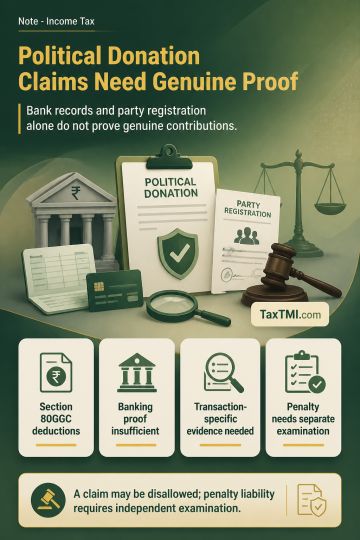
Political contribution deductions require genuine transactions; banking records and party registration alone cannot defeat evidence of accommodation e...
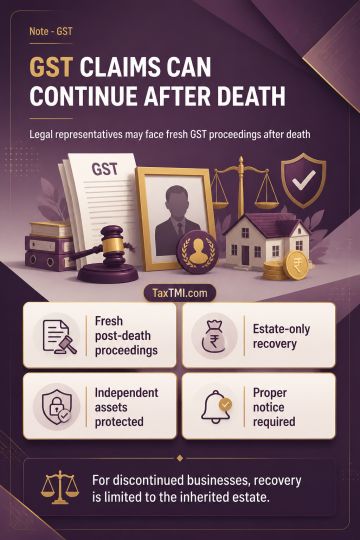
Post-death GST liability permits fresh proceedings against legal representatives, while discontinued-business recovery remains limited to the inherite...
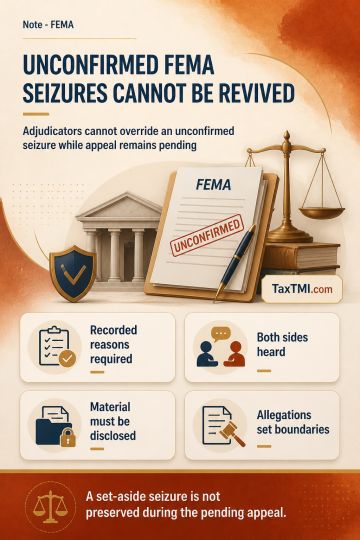
Non-confirmation of FEMA seizure prevents adjudicators from overriding pending appellate findings on recorded reasons and suspected foreign asset hold...
The High Court rejected the application for grant of anticipatory bail filed by the applicants u/s 438 of the Criminal Procedure Code. The Court held that the application was not maintainable as the summons were issued u/s 70 of the CGST Act, 2017, which deals with the power of the appropriate officer to summon any person to give evidence or produce documents in an inquiry. The Court distinguished this from Section 69, which deals with the power to arrest a delinquent person. The Court relied on the Supreme Court's decision in Choodamani Parmeshwaran Iyer & Anr, which held that provisions of Section 438 cannot be invoked if summons are issued u/s 69. The Court found no significant difference between Sections 69 and 70 and held that the application for anticipatory bail was not maintainable and liable to be rejected.
The High Court rejected the application for grant of anticipatory bail filed by the applicants u/s 438 of the Criminal Procedure Code. The Court held that the application was not maintainable as the summons were issued u/s 70 of the CGST Act, 2017, which deals with the power of the appropriate officer to summon any person to give evidence or produce documents in an inquiry. The Court distinguished this from Section 69, which deals with the power to arrest a delinquent person. The Court relied on the Supreme Court's decision in Choodamani Parmeshwaran Iyer & Anr, which held that provisions of Section 438 cannot be invoked if summons are issued u/s 69. The Court found no significant difference between Sections 69 and 70 and held that the application for anticipatory bail was not maintainable and liable to be rejected.
Note: It is a system-generated summary and is for quick reference only.
 TaxTMI
  TaxTMI