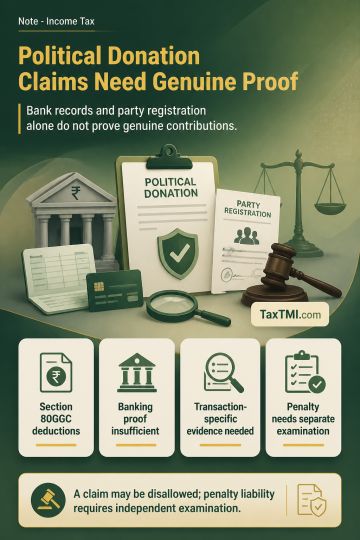
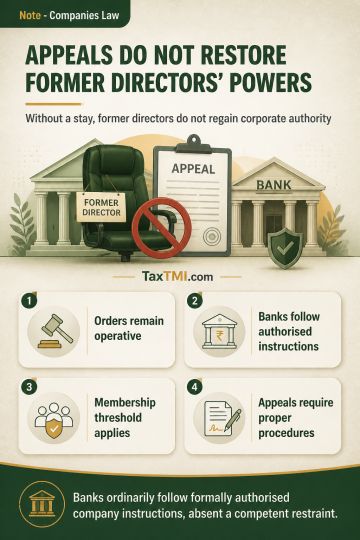
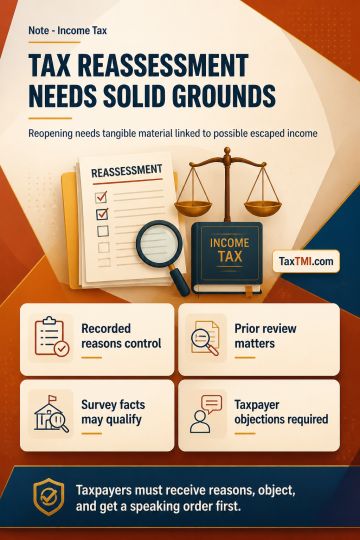
Political contribution deductions require genuine transactions; banking records and party registration alone cannot defeat evidence of accommodation e...
Post-death GST liability permits fresh proceedings against legal representatives, while discontinued-business recovery remains limited to the inherite...
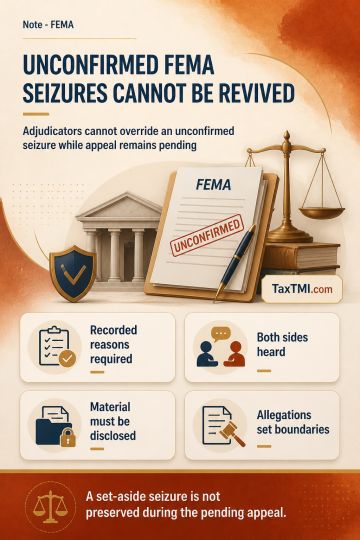
Non-confirmation of FEMA seizure prevents adjudicators from overriding pending appellate findings on recorded reasons and suspected foreign asset hold...
Section 29(2) of the Limitation Act, 1963 is applicable in relation to the period of limitation under tax laws like the Central Excise Act and the APGST Act. The Supreme Court has held that where the special law restricts the additional period for condonation of delay, it effectively excludes Section 5 of the Limitation Act by necessary implication. Section 107 of the APGST Act prescribes the limitation period for filing appeals and restricts the condonable period to 30 days. Therefore, Section 5 of the Limitation Act stands excluded, and the appellate authority cannot condone delay beyond 30 days u/s 107(4) of the APGST Act. The HC dismissed the petition, upholding the applicability of Section 29(2) and the exclusion of Section 5 in such cases.
Section 29(2) of the Limitation Act, 1963 is applicable in relation to the period of limitation under tax laws like the Central Excise Act and the APGST Act. The Supreme Court has held that where the special law restricts the additional period for condonation of delay, it effectively excludes Section 5 of the Limitation Act by necessary implication. Section 107 of the APGST Act prescribes the limitation period for filing appeals and restricts the condonable period to 30 days. Therefore, Section 5 of the Limitation Act stands excluded, and the appellate authority cannot condone delay beyond 30 days u/s 107(4) of the APGST Act. The HC dismissed the petition, upholding the applicability of Section 29(2) and the exclusion of Section 5 in such cases.
Note: It is a system-generated summary and is for quick reference only.
 TaxTMI
  TaxTMI