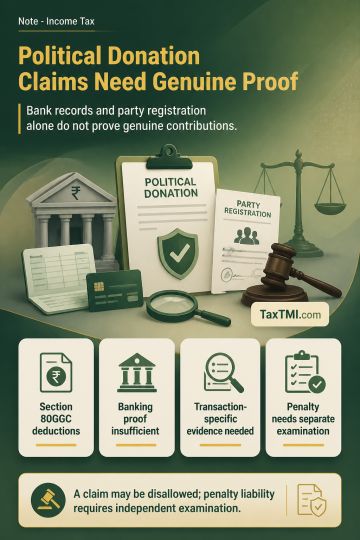
Political contribution deductions require genuine transactions; banking records and party registration alone cannot defeat evidence of accommodation e...
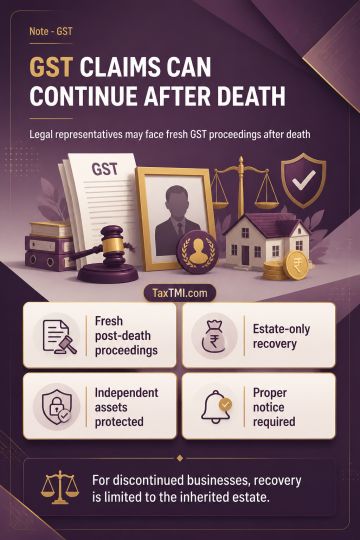
Post-death GST liability permits fresh proceedings against legal representatives, while discontinued-business recovery remains limited to the inherite...
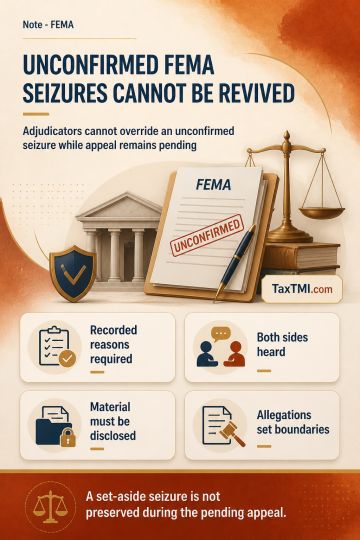
Non-confirmation of FEMA seizure prevents adjudicators from overriding pending appellate findings on recorded reasons and suspected foreign asset hold...
The provident fund dues, including contributions u/s 7A, interest u/s 7Q, and damages u/s 14 of the EPF Act, are not part of the liquidation estate assets. The EPFO authorities have the power to determine the amount due from the employer and recover damages for defaults in payment of contributions. The Supreme Court held that gratuity and pension dues shall be governed by Section 36(4) of the Code, which excludes such dues from the liquidation estate assets. Section 53(1) of the Code cannot be applied to these dues. The NCLAT also ruled that gratuity, provident fund, and pension fund dues must be paid to the workmen/employees on priority, without waiting for the distribution of liquidation assets under the waterfall mechanism of Section 53. The appeal was dismissed.
The provident fund dues, including contributions u/s 7A, interest u/s 7Q, and damages u/s 14 of the EPF Act, are not part of the liquidation estate assets. The EPFO authorities have the power to determine the amount due from the employer and recover damages for defaults in payment of contributions. The Supreme Court held that gratuity and pension dues shall be governed by Section 36(4) of the Code, which excludes such dues from the liquidation estate assets. Section 53(1) of the Code cannot be applied to these dues. The NCLAT also ruled that gratuity, provident fund, and pension fund dues must be paid to the workmen/employees on priority, without waiting for the distribution of liquidation assets under the waterfall mechanism of Section 53. The appeal was dismissed.
Note: It is a system-generated summary and is for quick reference only.
 TaxTMI
  TaxTMI