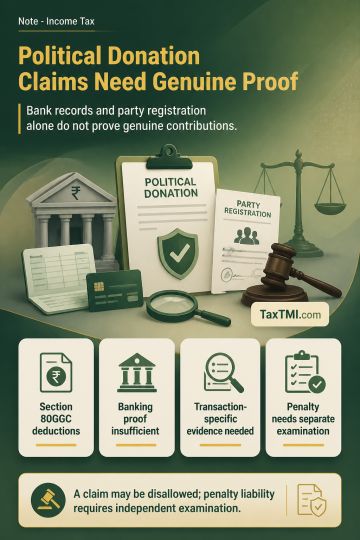
Political contribution deductions require genuine transactions; banking records and party registration alone cannot defeat evidence of accommodation e...
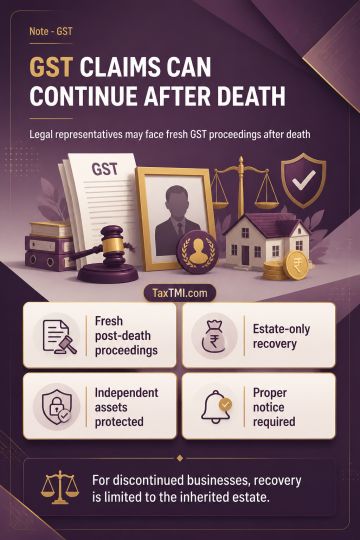
Post-death GST liability permits fresh proceedings against legal representatives, while discontinued-business recovery remains limited to the inherite...
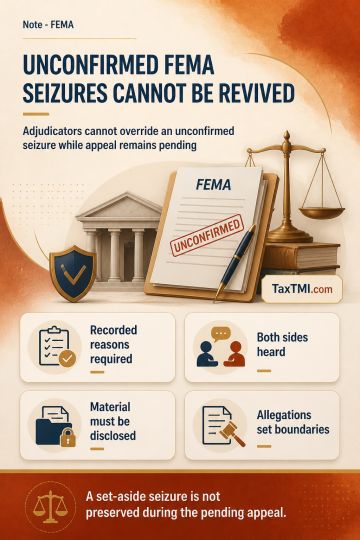
Non-confirmation of FEMA seizure prevents adjudicators from overriding pending appellate findings on recorded reasons and suspected foreign asset hold...
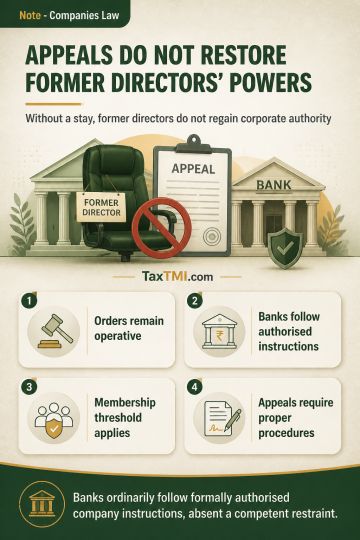
The High Court addressed the issue of whether a sale agreement made after the commencement of a company's winding up is affected by Section 536(2) of the Companies Act, 1956. The court held that the winding up commences at the presentation of the petition and any disposition of company property after that is void unless the court orders otherwise. The court emphasized that the jurisdiction is equitable and should prevent unjust enrichment by the company. Referring to a Supreme Court case, the court noted that the term "void" in Section 536(2) does not always imply complete nullity, but rather voidable. The Applicant had conducted due diligence, paid consideration, settled dues, and obtained necessary permissions, making the transaction bonafide, fair, and just. Therefore, the court ratified the sale agreement, protecting the transaction.
The High Court addressed the issue of whether a sale agreement made after the commencement of a company's winding up is affected by Section 536(2) of the Companies Act, 1956. The court held that the winding up commences at the presentation of the petition and any disposition of company property after that is void unless the court orders otherwise. The court emphasized that the jurisdiction is equitable and should prevent unjust enrichment by the company. Referring to a Supreme Court case, the court noted that the term "void" in Section 536(2) does not always imply complete nullity, but rather voidable. The Applicant had conducted due diligence, paid consideration, settled dues, and obtained necessary permissions, making the transaction bonafide, fair, and just. Therefore, the court ratified the sale agreement, protecting the transaction.
Note: It is a system-generated summary and is for quick reference only.
 TaxTMI
  TaxTMI