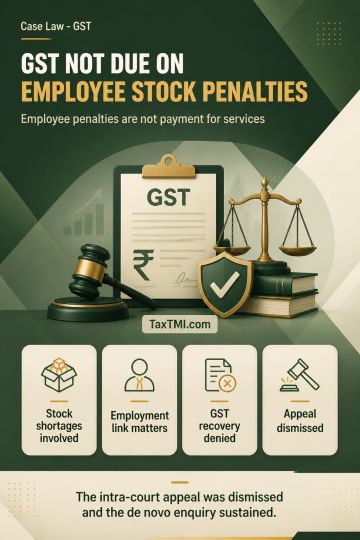
Employee stock-shortage penalties do not constitute consideration for services, preventing GST collection under Schedule II in employment relationship...
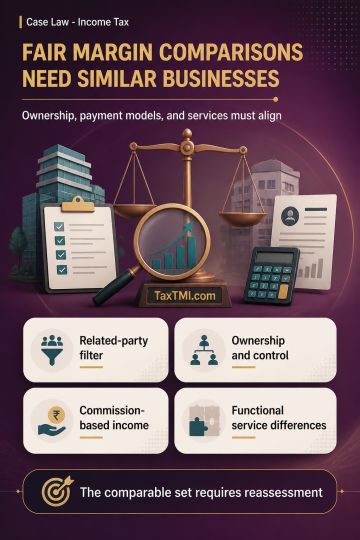
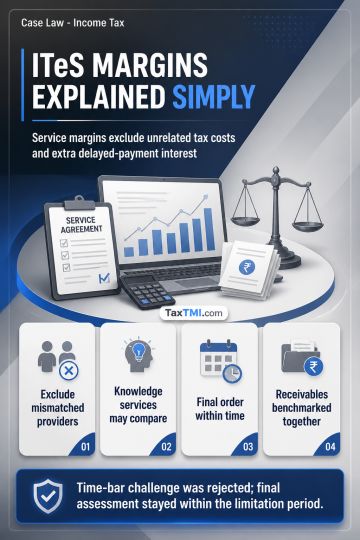
Transfer-pricing treatment of ITeS margins excludes pass-through tax recoveries and separate delayed-receivables interest after working-capital adjust...
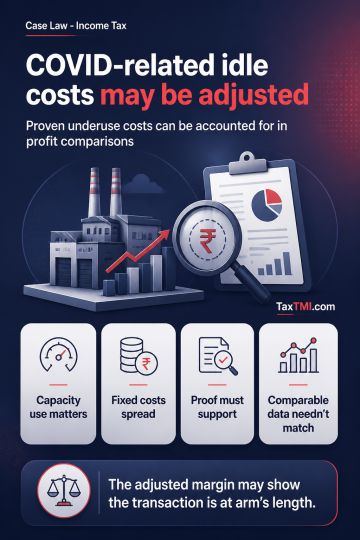
Capacity-utilisation adjustments under TNMM can neutralise substantiated COVID-related idle costs where underutilisation materially affects profitabil...
Penalty under Section 112(a) was held unsustainable against a Customs House Agent who only assisted in filing the Bill of Entry on a self-declared basis. The Tribunal found no corroborative evidence that the CHA had prior knowledge of the concealment of the smuggled goods, and noted that the penalty against the alleged mastermind had already been set aside. It also considered that no proceedings had been initiated against the CHA under the Customs Broker Licensing Regulations. In the absence of proof of knowledge of concealment and licensing-regulation action, the penalty was set aside and the appeal was allowed.
Penalty under Section 112(a) was held unsustainable against a Customs House Agent who only assisted in filing the Bill of Entry on a self-declared basis. The Tribunal found no corroborative evidence that the CHA had prior knowledge of the concealment of the smuggled goods, and noted that the penalty against the alleged mastermind had already been set aside. It also considered that no proceedings had been initiated against the CHA under the Customs Broker Licensing Regulations. In the absence of proof of knowledge of concealment and licensing-regulation action, the penalty was set aside and the appeal was allowed.
Note: It is a system-generated summary and is for quick reference only.
 TaxTMI
  TaxTMI



 Join Channel